
Forklift Cameras vs. Traditional Mirrors: Which Offers Better Safety and Visibility?
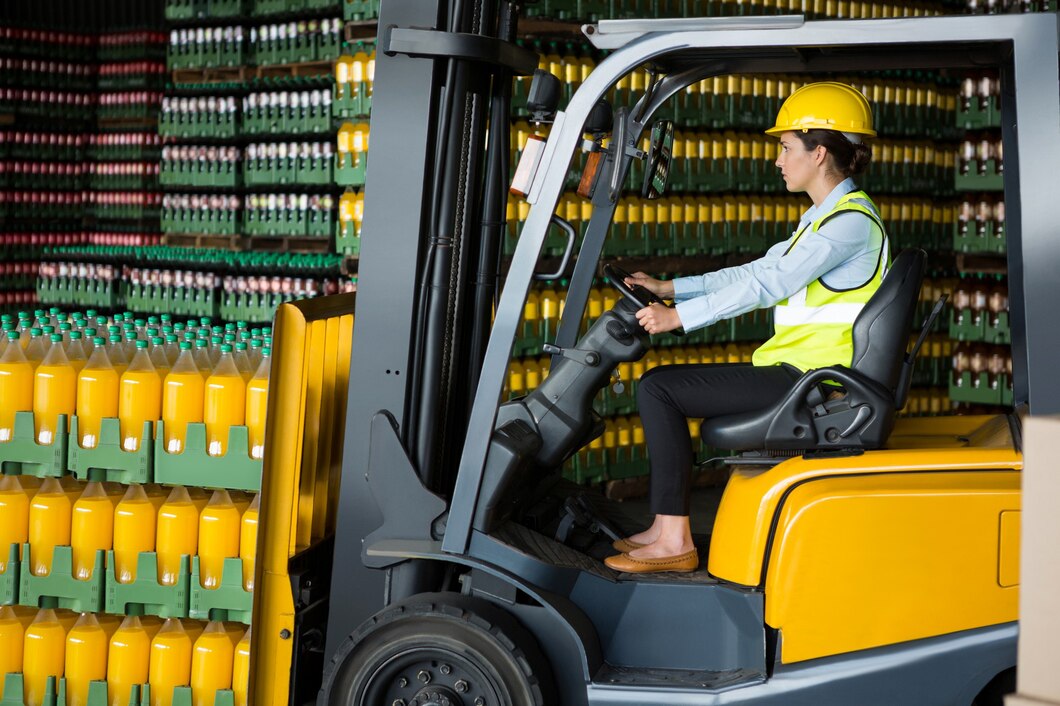
Forklifts are essential for warehouses, ports, mining, and logistics — but they’re also a leading cause of workplace accidents. According to OSHA, forklift-related incidents cause nearly 100 fatalities and 35,000 serious injuries every year. Most of these are linked to poor visibility, blind spots, and operator misjudgment.
For decades, traditional mirrors were considered the standard safety feature to improve visibility. But today, more workplaces are upgrading to a forklift safety camera system. The question is: which one offers better safety and visibility — mirrors or cameras? Let’s break it down.
1. The Limits of Traditional Mirrors in Forklifts
Mirrors have long been a cost-effective way to give forklift drivers a broader view of their surroundings. Side mirrors, rear-view mirrors, and convex mirrors help reduce blind spots, especially when handling bulky loads.
However, mirrors come with serious limitations:
- Distorted vision: Convex mirrors can warp distances, making it hard to judge how close an object really is.
- Blind spots remain: Mirrors can’t give a full 360-degree view. Large loads often block the driver’s sightlines.
- Dependence on operator skill: Mirrors require the operator to constantly shift focus, which increases reaction time.
Studies show that 42% of forklift accidents are due to visibility issues, and mirrors alone are not enough to eliminate those risks.
2. How Forklift Camera Systems Change the Game
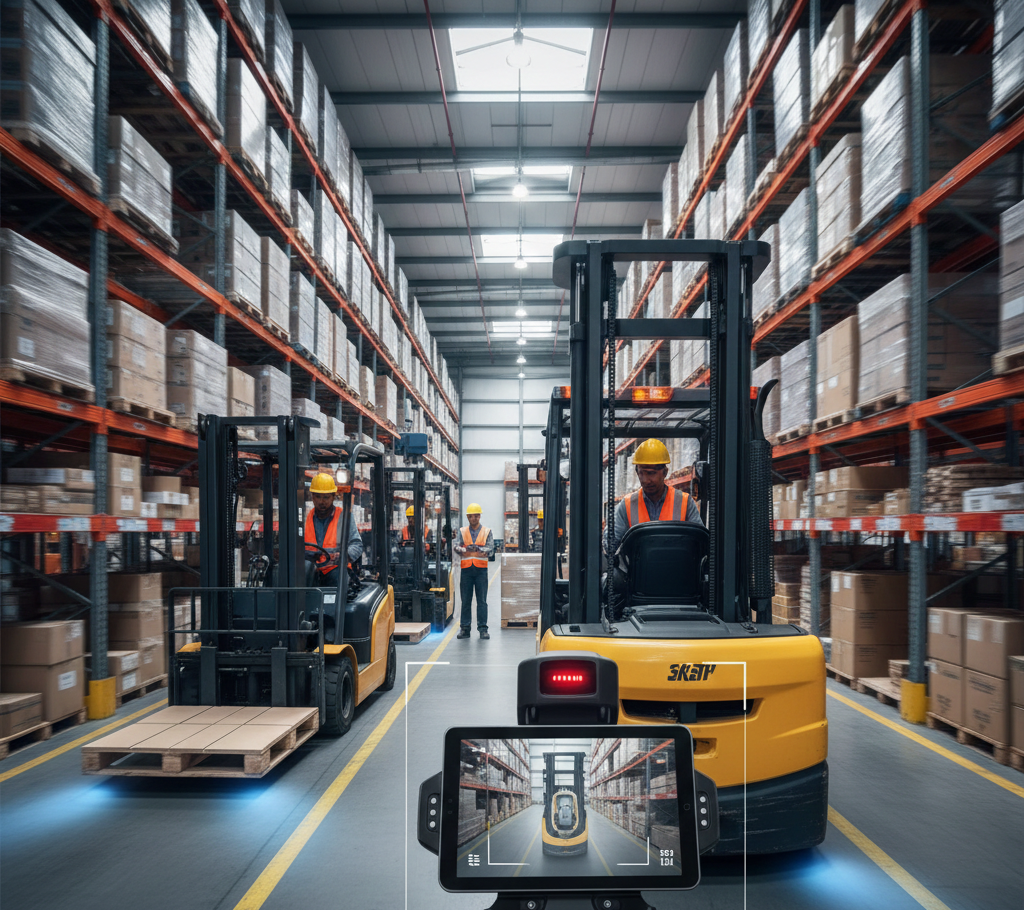
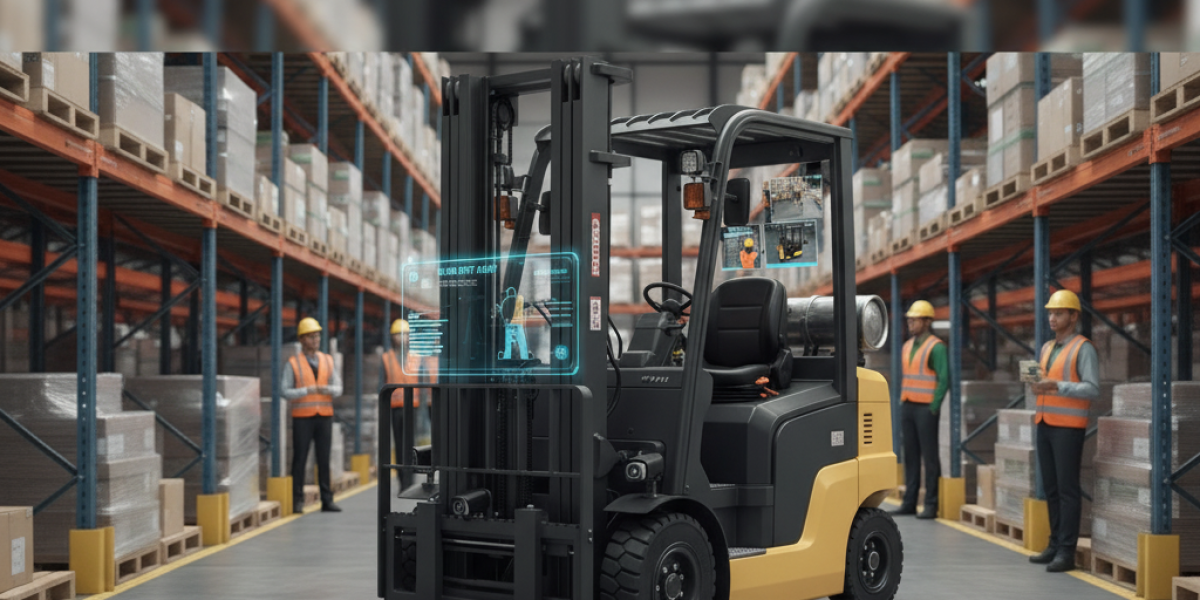
A forklift safety camera system replaces guesswork with clarity. Cameras are mounted at strategic points — rear, front, and even overhead — and feed live footage to a monitor inside the cab.
Some advanced setups include:
- Rear view camera systems for reversing safety.
- 360 degree vehicle camera systems that stitch multiple views into a single bird’s-eye perspective.
- Night-vision enabled cameras for low-light or dusty environments.
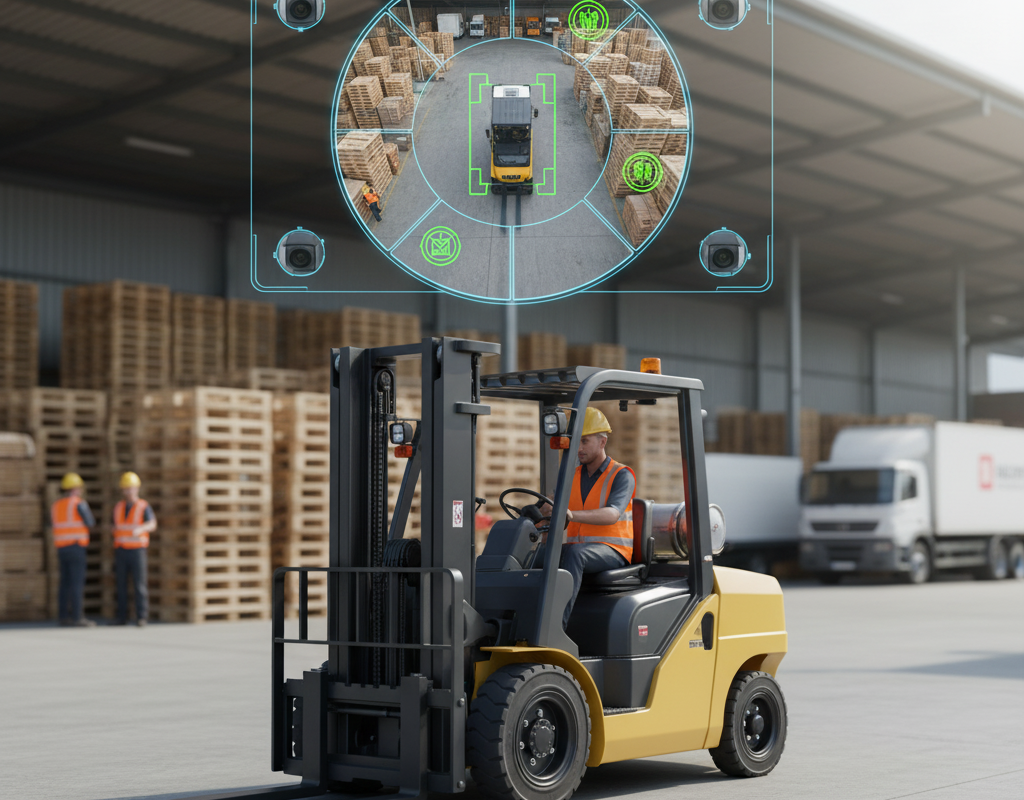
With these tools, operators can make instant decisions without relying solely on mirrors or blind judgment. Visibility is no longer about adjusting angles — it’s about having real-time, comprehensive situational awareness.
3. Comparing Safety Outcomes: Mirrors vs. Cameras
When we look at numbers, the difference becomes clear:
- Warehouses using only mirrors still reported a 30% higher rate of near-miss collisions compared to sites using camera systems.
- Companies that introduced 360 degree vehicle camera systems saw up to 70% reduction in load-drop incidents.
- Adding rear view camera systems decreased reversing accidents by over 60%, especially in tight logistics yards.
While mirrors offer basic visibility, cameras actively prevent accidents before they happen. For high-risk industries like ports and mining, cameras aren’t just an upgrade — they’re a necessity.
4. The Role of Fatigue in Visibility-Related Accidents
Another factor mirrors can’t address is operator fatigue. A tired operator may fail to check mirrors frequently or may misinterpret what they see. This is where AI-Based Driver Fatigue Monitoring Systems come into play.
These systems track signs like yawning, blinking, and head movements. If fatigue is detected, the system alerts the operator instantly. When combined with forklift cameras, the safety net becomes even stronger.
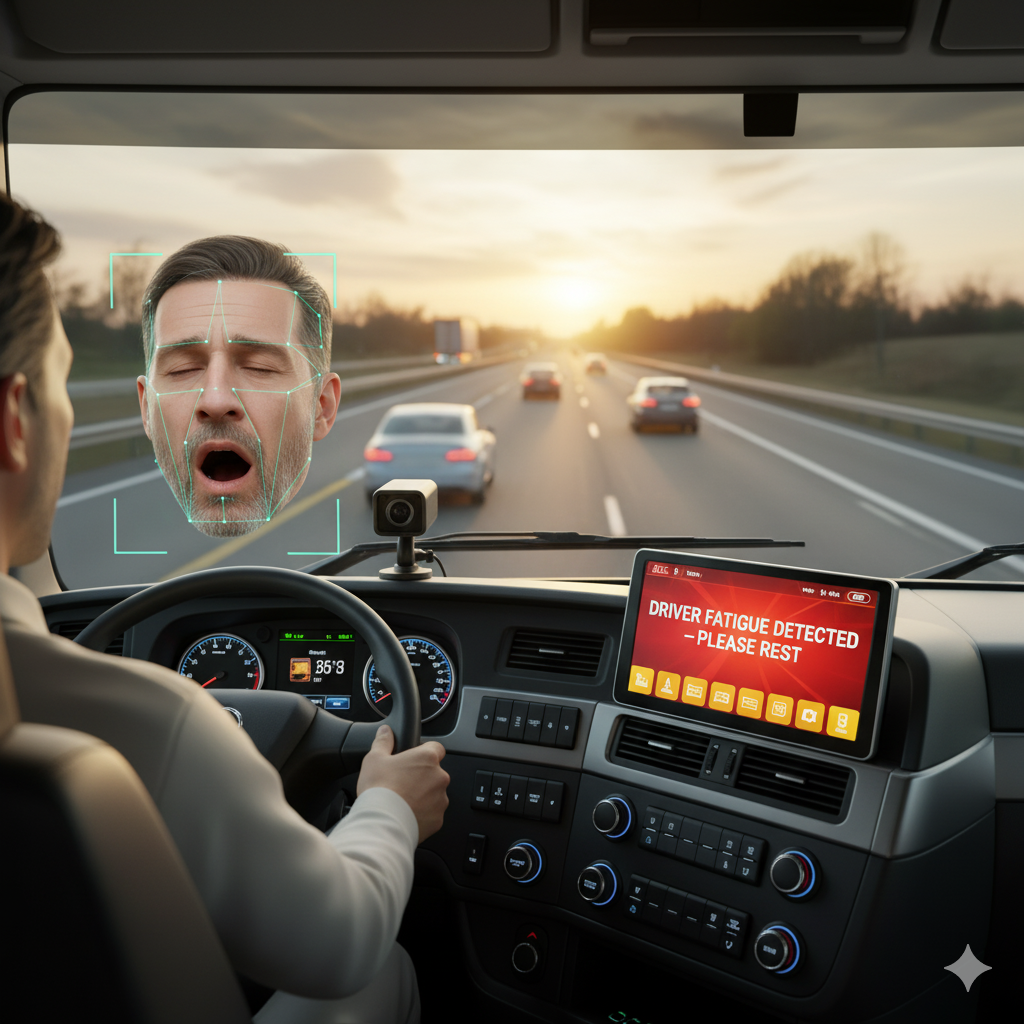
Statistics from MSHA (Mine Safety and Health Administration) reveal that equipment-related accidents account for 25% of mining fatalities. Cameras that can withstand extreme weather, dust, and low light are now considered non-negotiable for safe mining operations. The ability to “see the unseen” is transforming how forklifts operate in dangerous terrains.
5. Cost vs. Value: Is Upgrading Worth It?
Some businesses hesitate to switch from mirrors to cameras due to cost. Mirrors are cheap and easy to install, while cameras may require investment in equipment and training.
But let’s consider the long-term math:
- The average forklift accident costs crores in damages, legal fees, and downtime.
- Installing a forklift safety camera system costs a fraction of that and provides ongoing protection.
- Companies using advanced safety solutions reported 20–30% lower insurance premiums because of reduced accident claims.
In other words, cameras don’t just save lives — they save money.
6. The Future of Forklift Safety
As operations get faster and work environments become more complex, traditional mirrors will no longer be enough. The future lies in integrated solutions:
- Forklift safety camera systems for real-time visibility.
- Rear view and 360 degree vehicle camera systems for eliminating blind spots.
- AI-Based Driver Fatigue Monitoring Systems for reducing human error.
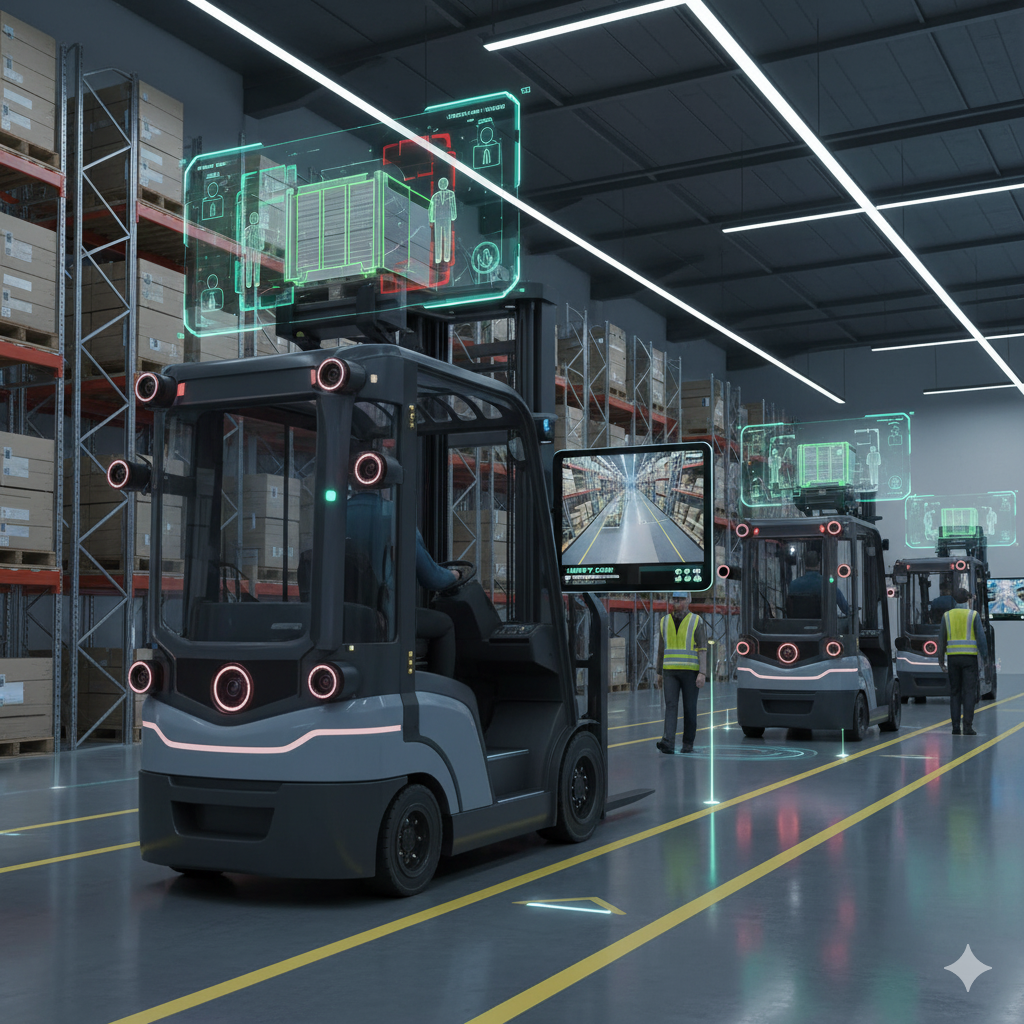
These technologies together create a comprehensive safety net, protecting operators, pedestrians, and assets in every environment — from mining pits to distribution centers.
Why Choose MyPort Services India Pvt Ltd
At MyPort Services India Pvt Ltd, we’ve seen firsthand how forklift cameras transform workplace safety. As a leading supplier of heavy-duty automotive safety and advanced warning systems for mining, ports, logistics, and warehousing, we’ve delivered 15 years of proven installations across India.
Our solutions go beyond mirrors — we provide forklift safety camera systems, rear view camera systems, 360 degree vehicle camera systems, and AI-based driver fatigue monitoring systems tailored to your site’s needs.