
Which Is Better for Trucks: Rearview Camera or 360-Degree Camera System?
When it comes to truck safety, visibility isn’t just helpful—it’s critical. Whether you’re navigating tight spaces at a busy port or reversing in a dusty mining site, the risks are high. The right camera system can make all the difference in preventing accidents and improving driver confidence.
Two common options stand out: the rearview camera and the 360 degree vehicle camera system. But which one is the smarter investment for trucks operating in high-risk environments like mining, logistics, warehousing, or ports? Let’s break it down.
What Can a Rearview Camera Do for Your Trucks?
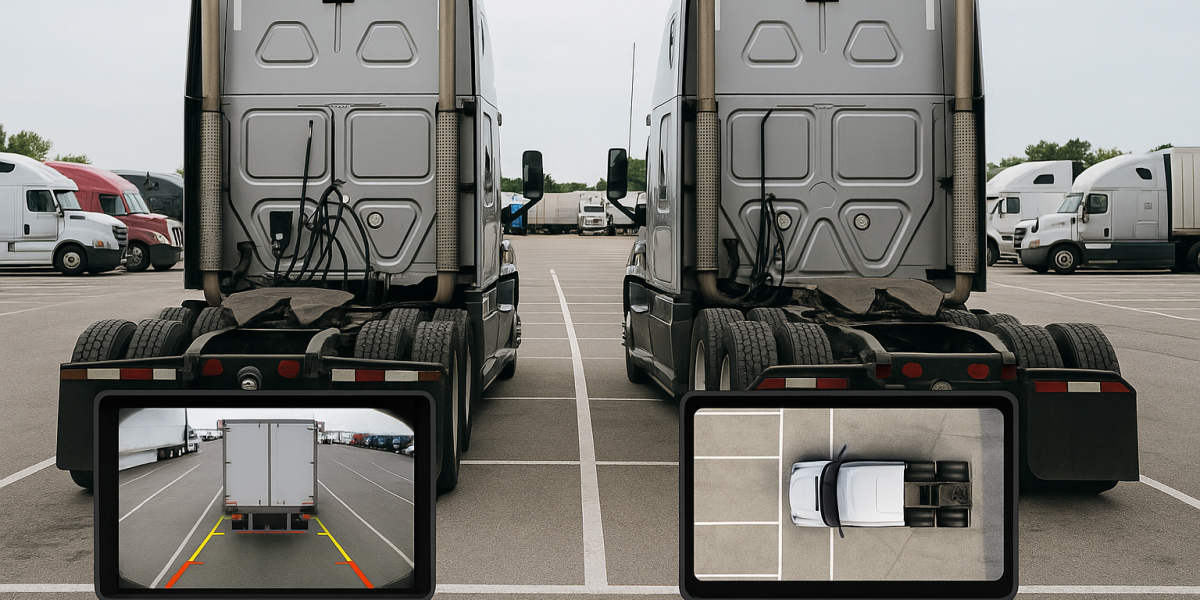
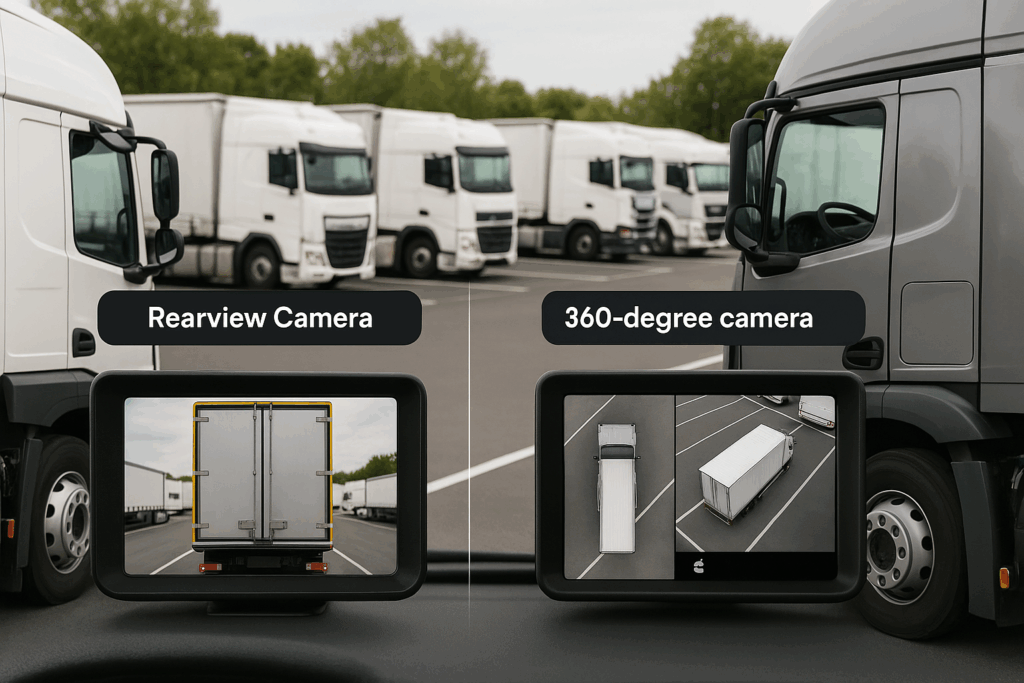
A rearview camera provides a clear view of what’s directly behind the truck, which helps the driver reverse more accurately and avoid objects or people in the rear blind spot.
According to a 2025 report by the Insurance Institute for Highway Safety (IIHS), rearview cameras reduce police-reported backing crashes by 17%, and by 36% for drivers over 70. Some studies go even further: recent analysis by Pro-Vision shows backup cameras can reduce reversing accidents by up to 44%.
Rearview cameras are affordable and easy to install. For smaller fleets or low-traffic environments, they offer a good first step in upgrading safety. But their biggest limitation is that they only cover what’s behind the truck—ignoring the front, sides, and corners.
And in industries like logistics or mining, where activity is happening all around the truck, that single view is simply not enough.
How Does a 360 Degree Vehicle Camera System Work?
A 360 degree vehicle camera system uses four or more cameras mounted on each side of the truck—front, rear, left, and right—to stitch together a bird’s-eye view of the entire surroundings.
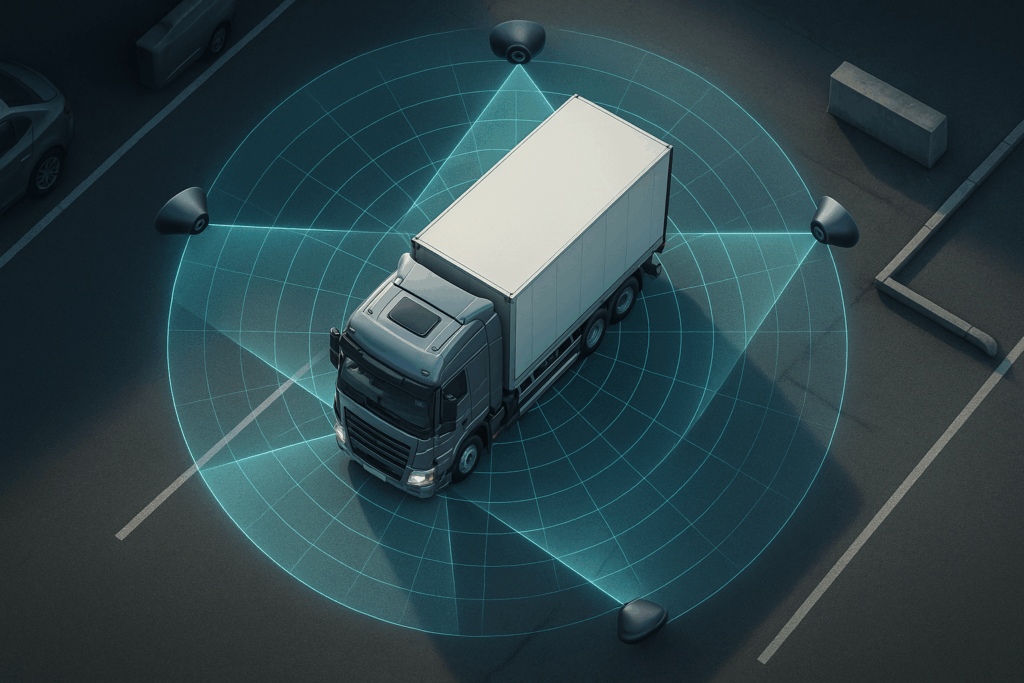
This creates a real-time visual field that eliminates virtually all blind spots. Drivers can see obstacles from every direction—whether it’s a warehouse worker walking by, a forklift approaching the side, or a barrier in front of the bumper.
According to recent fleet safety reports in 2025, fleets that adopted AI-powered 360° camera systems with real-time alerts saw 50% fewer incident rates, while some advanced setups reduced preventable accidents by up to 92%. These systems are often enhanced with smart features like car proximity sensors, beacon lighting, and automatic fire protection systems—making them ideal for high-risk job sites.
Where Does a Rearview Camera Fall Short?
While a rearview camera improves reversing safety, it has some serious drawbacks—especially in more complex or congested environments.
- Limited View: It only shows what’s directly behind the vehicle. Anything approaching from the front or side will remain hidden until it’s too late.
- Low-Light Performance: Many basic cameras struggle in low visibility or harsh weather, such as dusty mining roads or foggy port conditions. They’re not always equipped with infrared or adaptive lighting.
- Lack of Smart Integration: Unlike 360 systems, most rearview cameras don’t integrate with car proximity sensors or beacon lighting systems. Drivers must rely solely on sight, increasing human error.
In fast-paced job sites, this lack of total awareness can lead to costly accidents, downtime, or injury.
Why Is the 360 Degree Vehicle Camera System the Safer Option?
For trucks operating in high-risk zones, a 360 degree vehicle camera system is a clear winner in terms of both safety and efficiency.
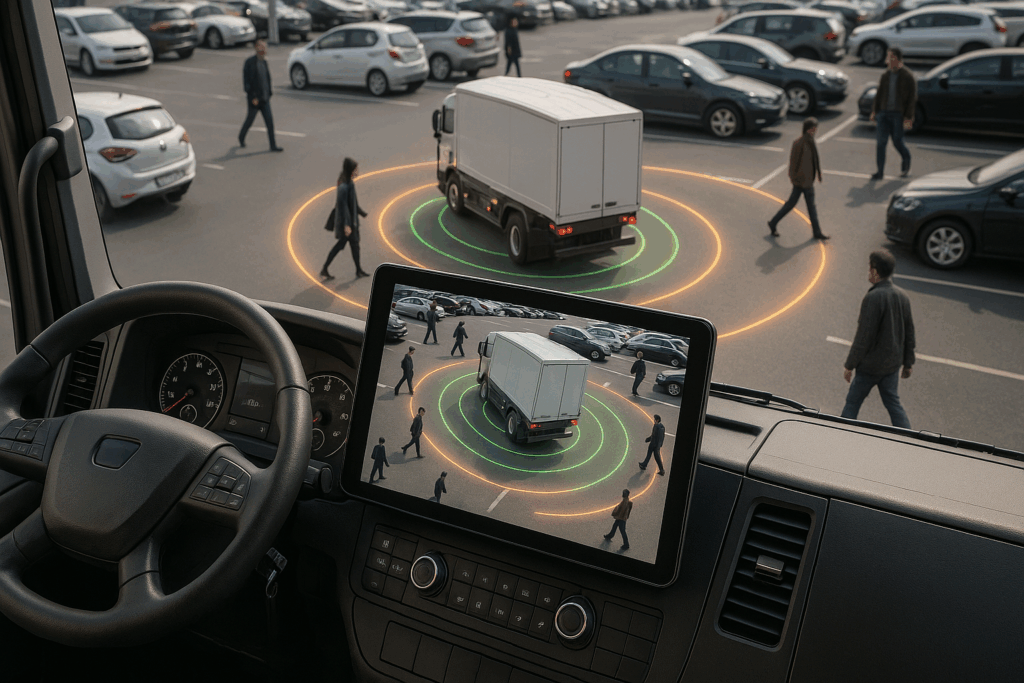
It offers unmatched visibility, covering blind spots from every direction. In ports and warehouses, where every inch matters, this helps reduce damage during docking or turning. And in industries like mining—where large equipment moves constantly—being able to monitor surroundings in real-time is vital.
Additionally, most modern 360° systems are part of a larger safety network. They integrate with:
- Car Proximity Sensors to warn drivers of nearby objects
- Beacon Lighting to visually alert workers on the ground
- Automatic Fire Protection Systems for emergency response in case of overheating or sparks in engine compartments
Together, these tools create a safer, smarter vehicle that can respond to its surroundings—not just record them.
Is the 360-Degree System Worth the Investment?
In 2025, industry data shows that fleets using 360° AI-enhanced camera systems saw up to 92% fewer preventable accidents. That kind of reduction translates into huge cost savings over time—and more importantly, fewer injuries and safer job sites.
Can You Use Both Camera Systems Together?
Yes! Many smart fleets today use both rearview and 360-degree systems for maximum safety. In fact, some 360 systems include zoomed-in rear camera feeds within the main display, offering detailed reversing views and complete surround coverage.
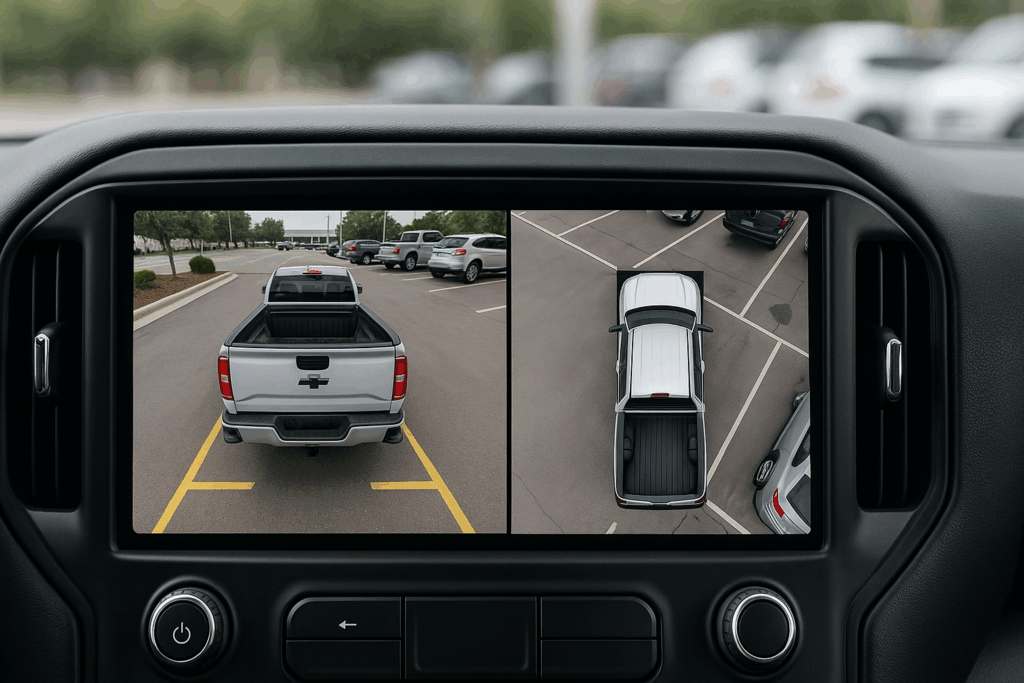
Combining both systems allows for precise parking and maneuvering, while maintaining total awareness of all surroundings. And when integrated with tools like beacon lighting and car proximity sensors, the driver gets a full-sensory experience—visual, audio, and reactive.
If your vehicles operate in fast-moving environments with people, equipment, and tight spaces, this hybrid approach offers the ultimate safety solution.
MyPort Services India Pvt. Ltd. – Your Safety Partner on the Road
At MyPort Services India Pvt. Ltd., we’ve spent 15 years delivering advanced automotive safety systems to India’s most demanding sectors—mining, ports, logistics, and warehousing.
We don’t just sell cameras—we provide fully integrated safety ecosystems that include:
- 360 degree vehicle camera systems
- Rearview and proximity alert systems
- Beacon lighting for visibility
- Automatic fire protection systems for emergency prevention
If your fleet needs reliable, field-tested solutions that protect both people and assets.
Contact us today for a customized safety consultation.