
Which Is Better for Trucks: Rearview Camera or 360-Degree Camera System?
When it comes to truck safety, visibility isn’t just helpful—it’s critical. Whether you’re navigating tight spaces at a busy port or reversing in a dusty mining site, the risks are high. The right camera system can make all the difference in preventing accidents and improving driver confidence.Forklifts serve as crucial devices in ports, mining sites, logistics yards, and warehouses. Every minute, they transport large loads, but they also pose significant risks. Over 34,000 serious forklift-related injuries and approximately 85 forklift fatalities occur annually, according to OSHA. The primary justifications? Blind spots, operator fatigue, and a lack of visibility in complex working environments.
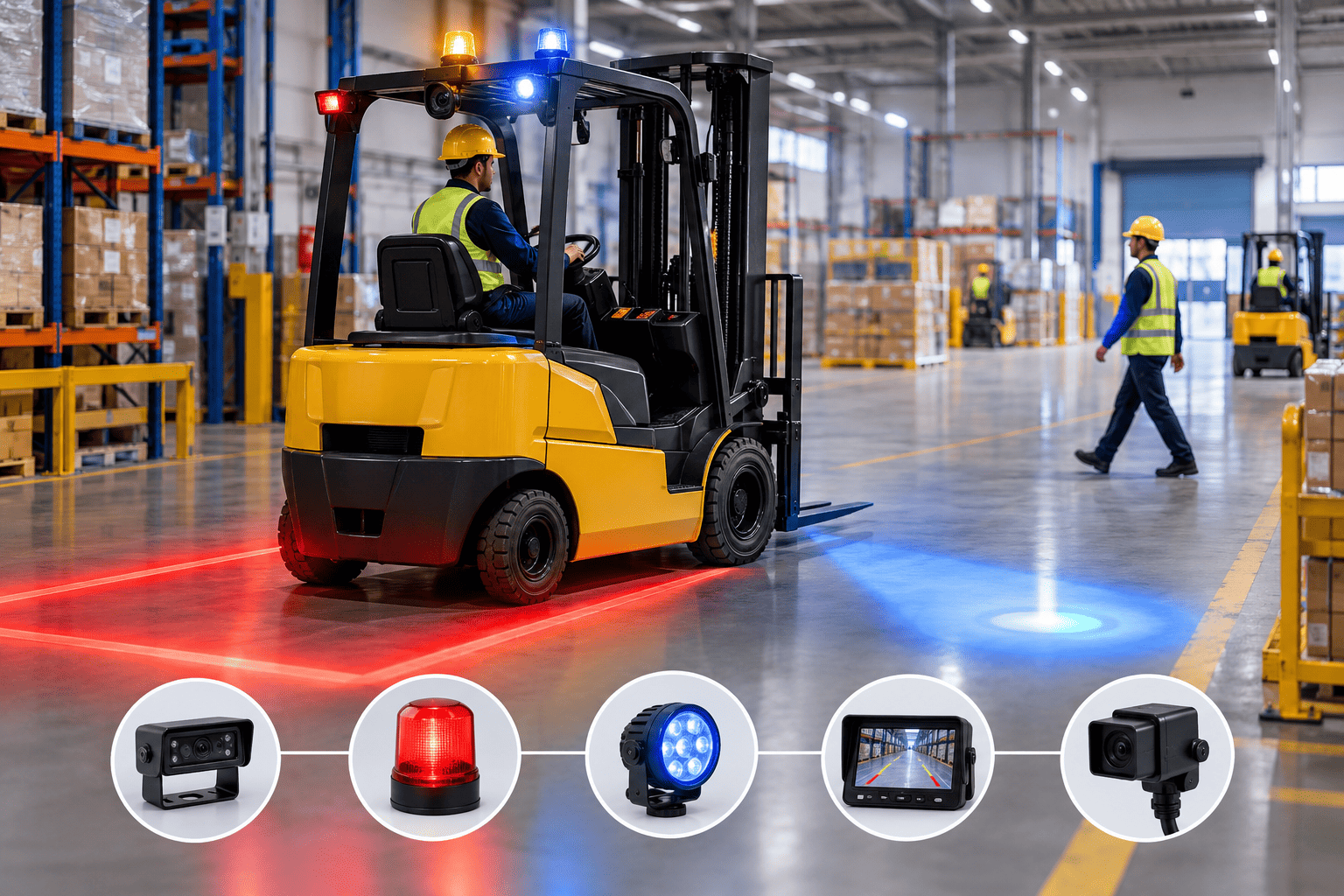
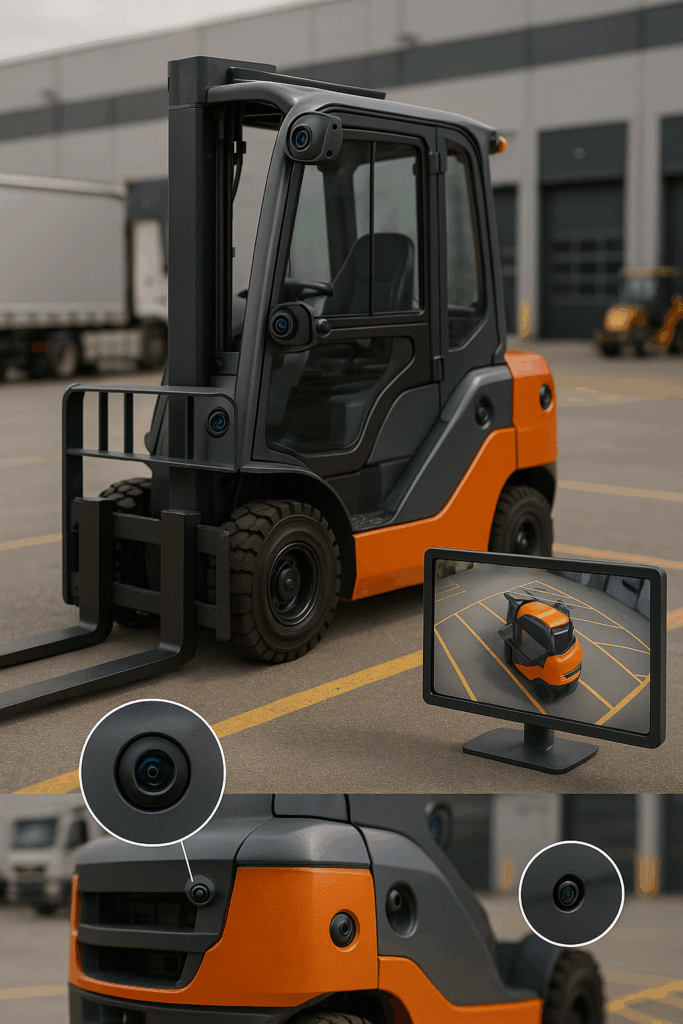
This is where a forklift safety camera system plays a lifesaving role. By giving operators a clear view of their surroundings through technologies like 360 degree vehicle camera systems and rear view camera systems, accidents that once seemed unavoidable are now preventable.
Let’s walk through five real-life scenarios where forklift cameras prevented major accidents and how they’re shaping a safer future in industrial operations.
1. Avoiding Blind Spot Collisions in Busy Warehouses
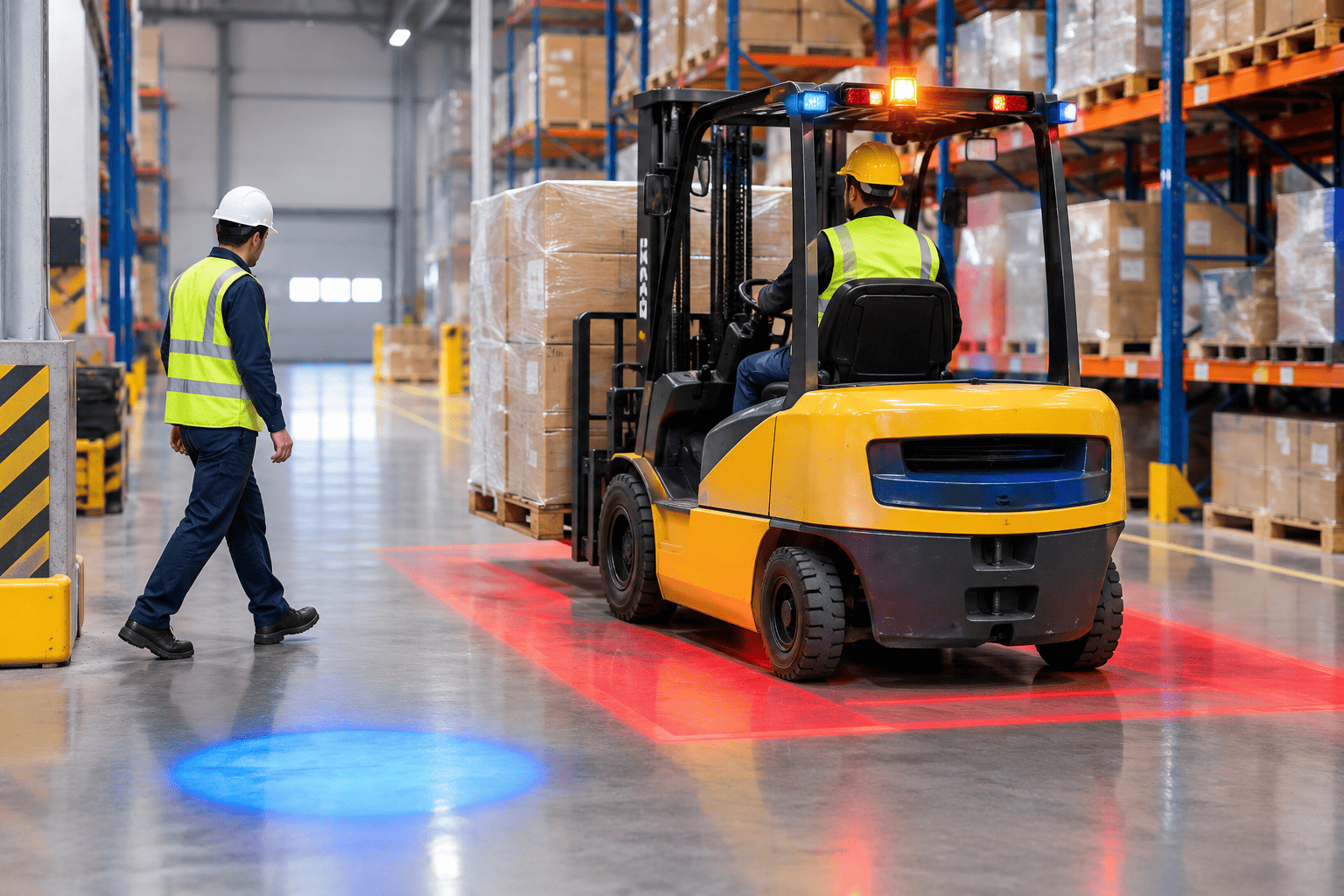
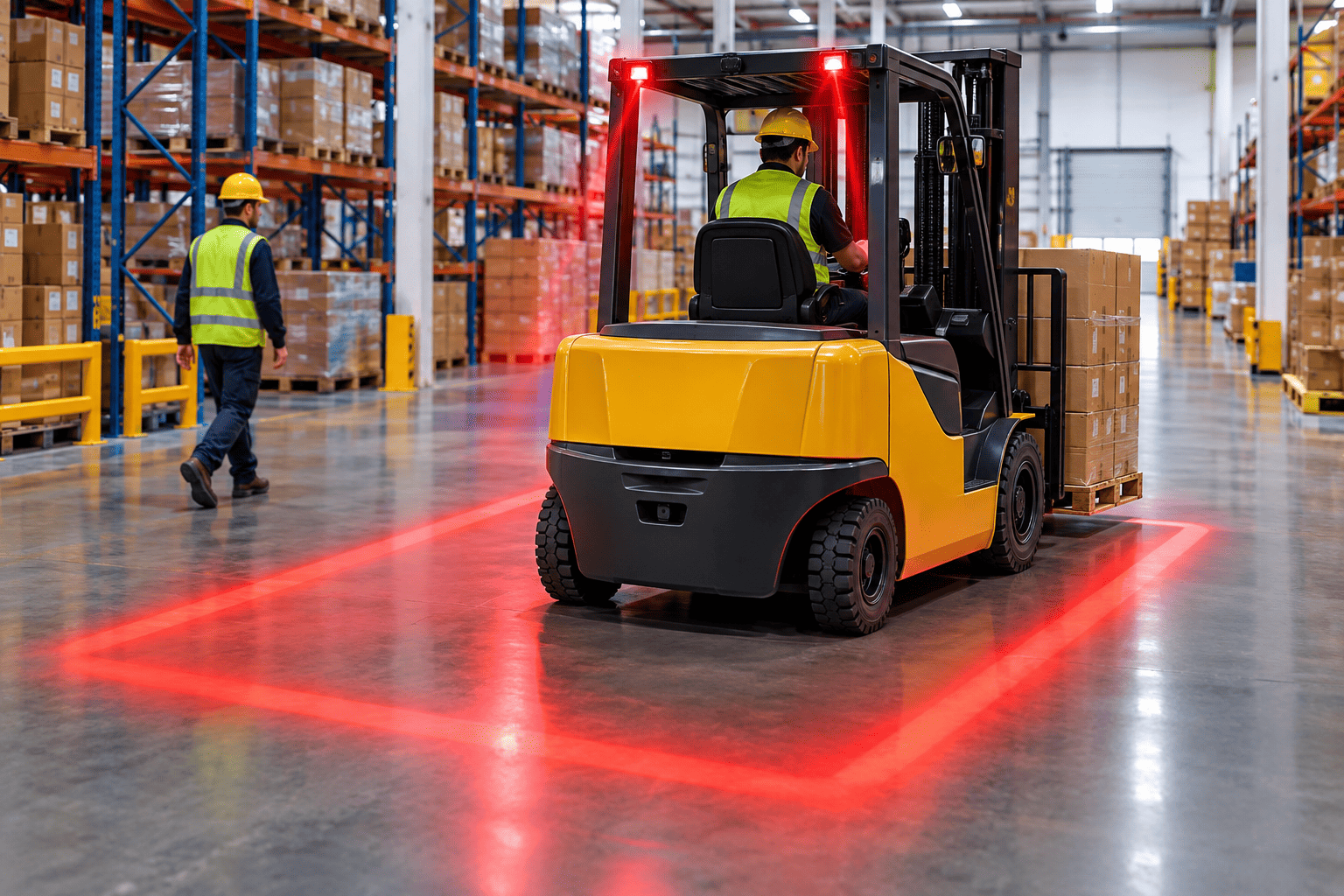
Warehouses are often crowded with stacked pallets, fast-moving forklifts, and workers moving goods manually. In one warehouse case, a forklift driver couldn’t see behind a tall load. Without cameras, the operator would have reversed blindly and risked hitting a worker crossing the aisle.
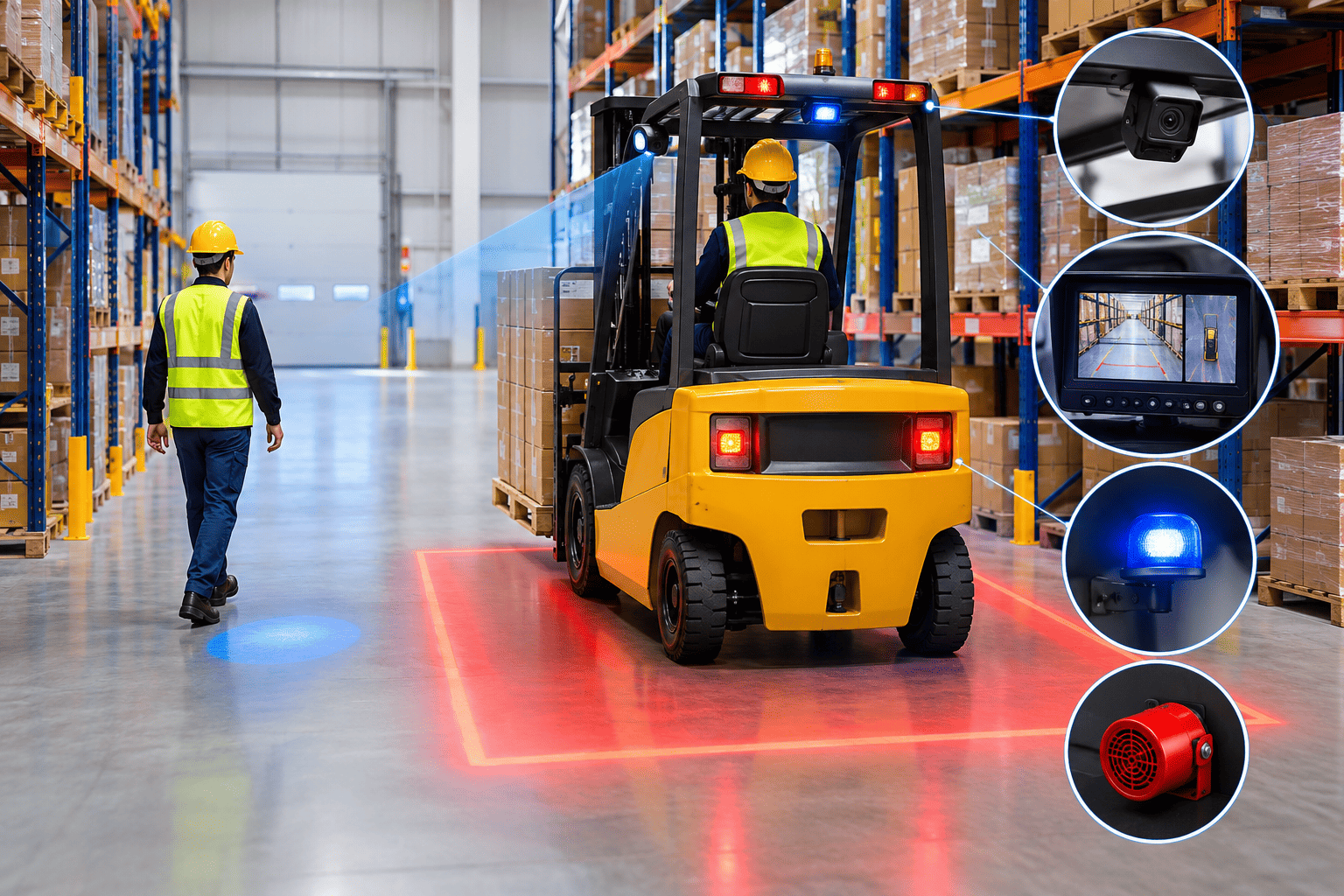
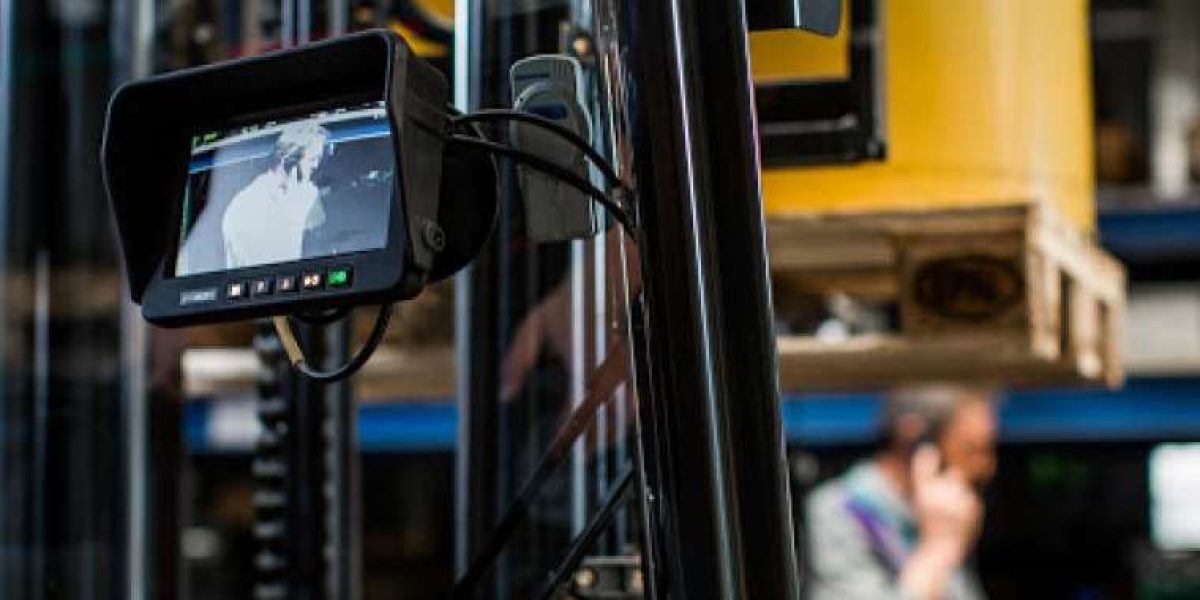
Here, a rear view camera system installed on the forklift made all the difference. The operator had a live video feed of what was happening behind him. By spotting the worker early, he was able to stop instantly and avoid what could have been a life-threatening collision.
Numbers prove how critical this is: studies show that 42% of forklift accidents are caused by operators being crushed by vehicles tipping over or hitting blind spots. A simple camera integration reduces these risks drastically by giving drivers a wider, clearer field of vision. In fast-paced environments like logistics warehouses, these few extra seconds of awareness can mean the difference between a normal workday and an emergency.
2. Preventing Load Falls in Logistics Yards
Another scenario happened in a logistics hub where forklifts constantly lifted heavy cargo containers onto trucks. One forklift was carrying a load stacked higher than the operator’s eye level. With no clear visibility, the risk of the load falling onto workers or vehicles nearby was extremely high.
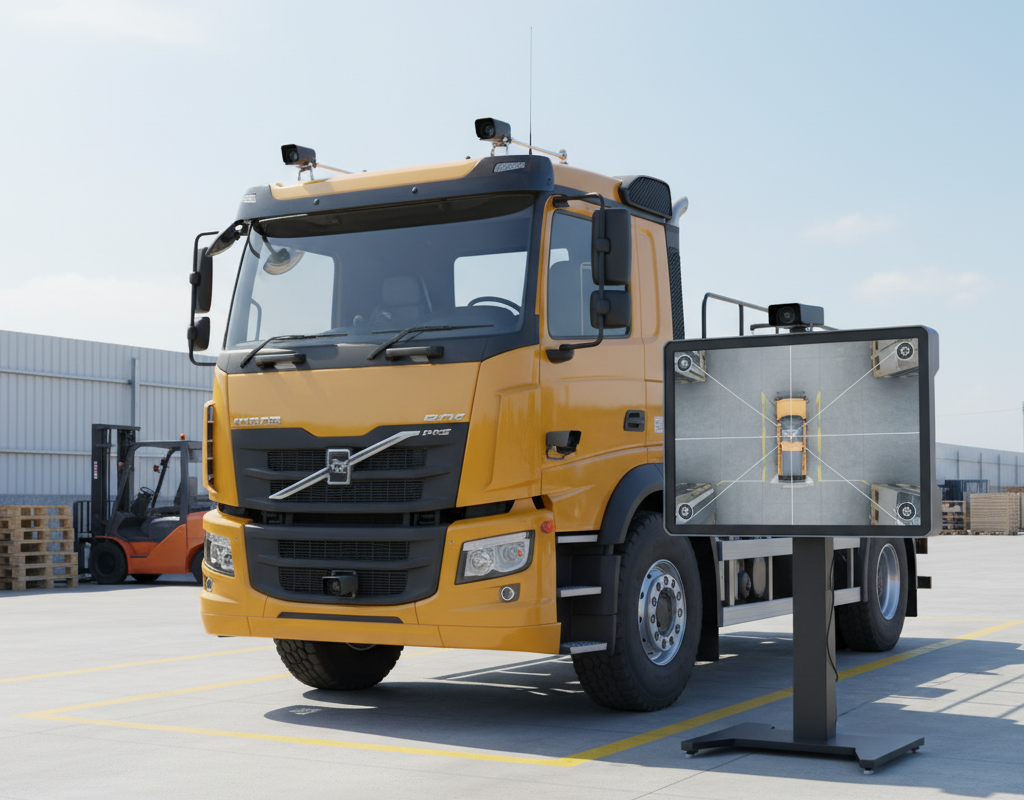
Here, a 360 degree vehicle camera system allowed the operator to monitor every angle of the forklift in real time. This ensured that the forks were aligned properly and that no people or vehicles were in the danger zone. The result? The heavy load was secured and safely transported without incident.
Statistically, one in six workplace fatalities in the U.S. is forklift-related, and a significant portion of these come from falling loads. A comprehensive camera system directly addresses this challenge. It doesn’t just prevent property damage — it saves lives and builds operator confidence.
3. Stopping Fatigue-Related Accidents at Ports
Ports operate 24/7, and forklift operators often work long shifts with very little rest. In one real incident, an operator at a shipping port dozed off briefly while handling containers. Normally, this could have led to containers crashing, severe equipment damage, and even casualties.
But this site had recently introduced AI-Based Driver Fatigue Monitoring Systems alongside forklift cameras. The system detected signs of drowsiness — like slower blinking and head nodding — and immediately alerted the operator. Combined with the forklift camera feed, the operator regained control and avoided a major mishap.
Fatigue is a bigger problem than most realize. According to the National Safety Council, fatigued workers are 70% more likely to be involved in accidents. Pairing a driver fatigue monitoring system with a forklift safety camera system is proving to be one of the most powerful strategies for accident prevention in ports, mining, and warehousing.
4. Reducing Traffic Collisions in Mining Operations
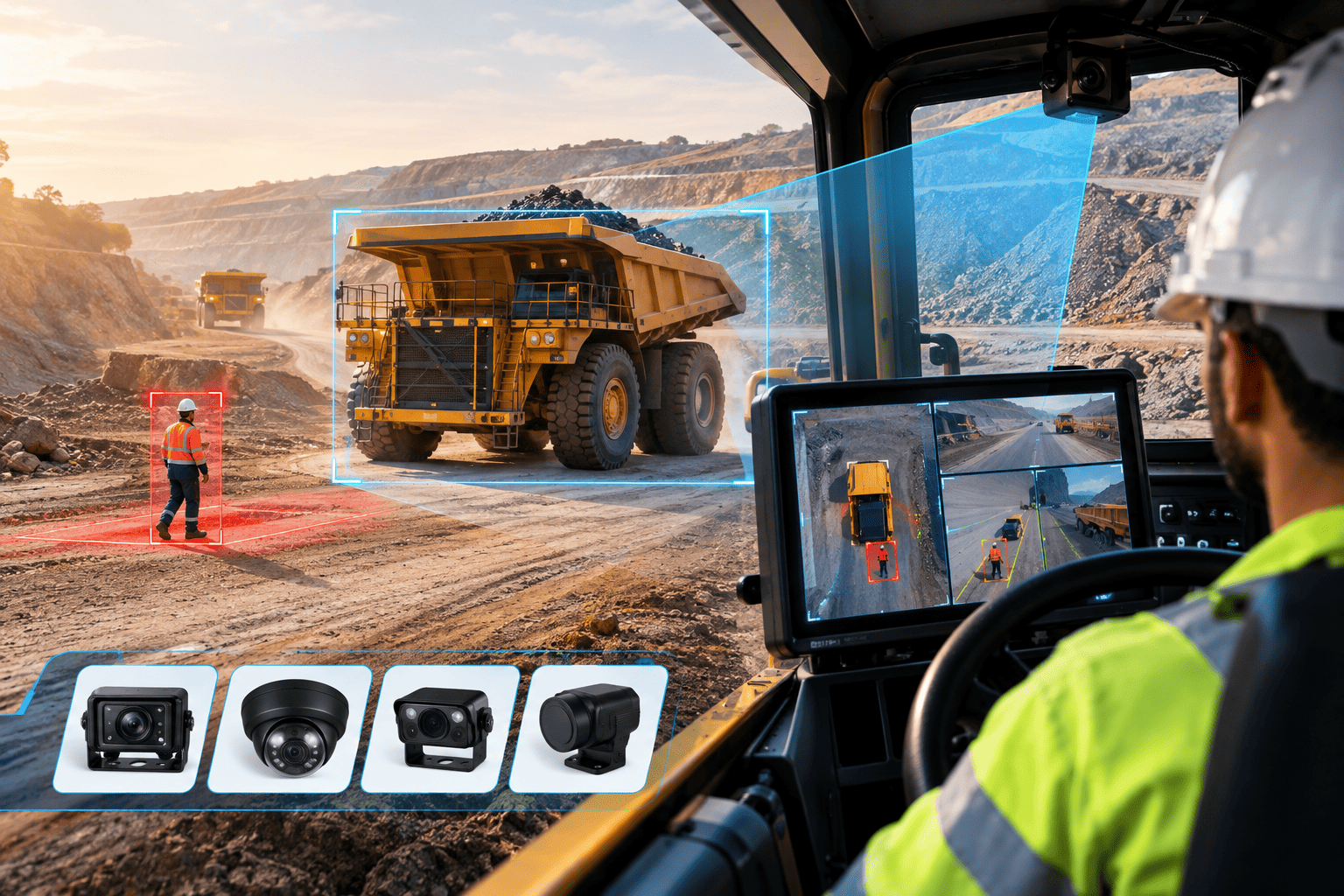
Mining sites are high-risk zones with large vehicles, rough terrain, and constant movement. In one reported case, a forklift was moving equipment near a large haul truck. Due to poor lighting and dust, visibility was nearly zero. The operator had no clear line of sight and could have driven straight into the truck’s blind spot.
Here, a forklift safety camera system with night-vision capability stepped in. The operator could see clearly on-screen even in low light conditions, which helped him navigate safely and avoid the collision.
Statistics from MSHA (Mine Safety and Health Administration) reveal that equipment-related accidents account for 25% of mining fatalities. Cameras that can withstand extreme weather, dust, and low light are now considered non-negotiable for safe mining operations. The ability to “see the unseen” is transforming how forklifts operate in dangerous terrains.
5. Saving Pedestrian Workers in Distribution Centers
Distribution centers are often buzzing with forklift activity, conveyor belts, and human traffic. In one scenario, a pedestrian worker carrying paperwork stepped into an aisle just as a forklift was turning the corner. Without cameras, this could have been a tragic accident.
Thanks to a 360 degree vehicle camera system combined with a rear view camera system, the operator saw the worker immediately and braked in time. What could have been a serious injury turned into nothing more than a close call.
According to reports, nearly 20% of forklift accidents involve pedestrians. Advanced camera systems not only alert operators but also help management enforce safety zones and pedestrian pathways more effectively. For distribution centers handling thousands of movements daily, cameras are becoming as essential as seatbelts in cars.
Why Forklift Safety Cameras Are the Future
From warehouses to mining sites, the evidence is clear: forklift cameras save lives and reduce losses. Beyond preventing collisions, they also cut downtime, lower insurance costs, and build operator confidence. When paired with AI-Based Driver Fatigue Monitoring Systems, these technologies address both human and machine limitations.
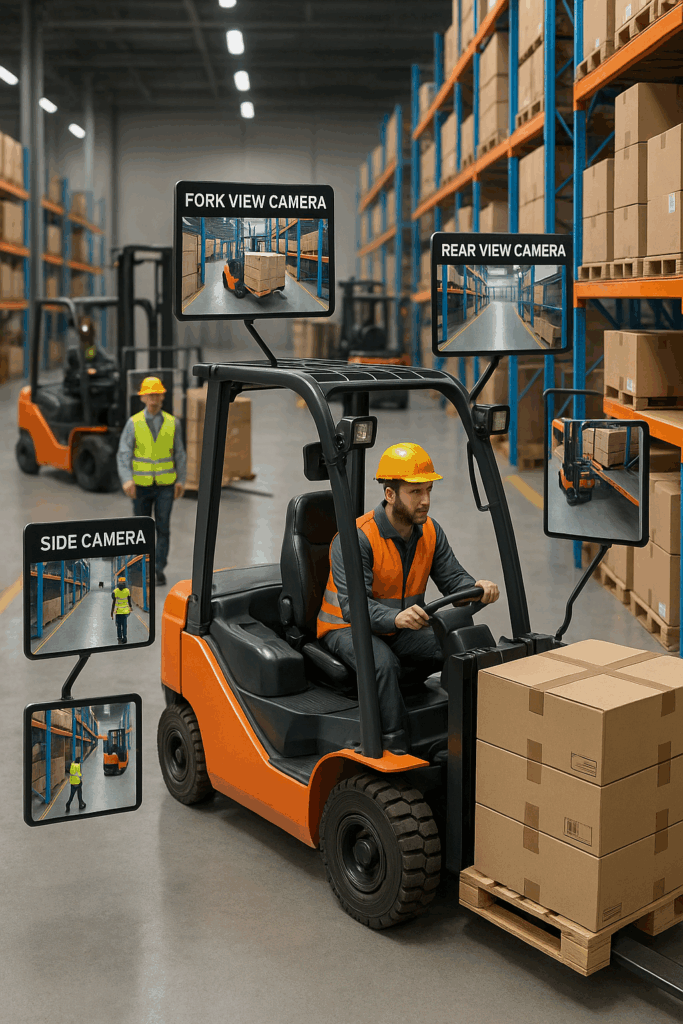
Today, many companies are no longer seeing forklift cameras as optional add-ons but as must-have safety tools. With the increasing complexity of logistics and supply chain operations, smart visibility solutions like rear view camera systems and 360 degree vehicle camera systems will only grow in demand.
Partner with MyPort Services India Pvt Ltd
At MyPort Services India Pvt Ltd, we understand that safety isn’t just compliance — it’s a responsibility. As a trusted supplier of heavy-duty automotive safety and advanced warning systems for mining, ports, logistics, and warehousing, we bring 15 years of proven installations across India. Our solutions, including the forklift safety camera system, AI-based driver fatigue monitoring systems, and 360-degree vehicle camera systems, are designed to prevent accidents before they happen.
If you’re looking to create safer worksites, reduce risks, and protect both people and assets, now is the time to act. Contact MyPort Services today to explore the right safety solutions for your operations. Together, we can build a safer future for every worker and every site.