
How Can Warehouses Prevent Forklift Accidents?
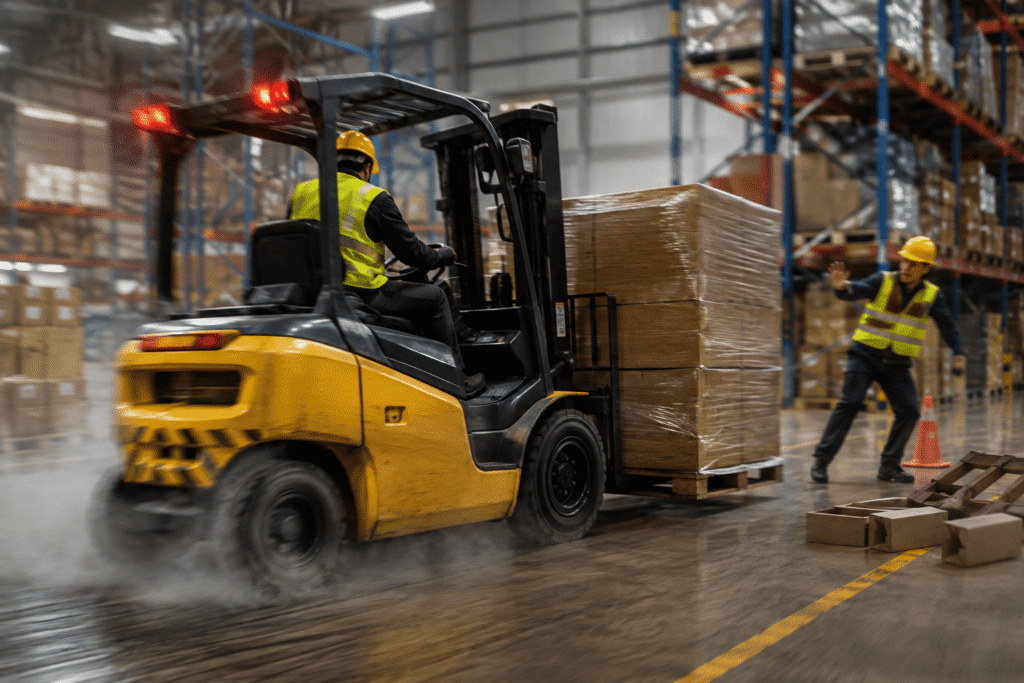
Forklifts keep a warehouse moving, but they are also one of the biggest sources of serious injuries on the floor. One moment of poor visibility or a rushed turn can lead to a collision, a tipped truck, or a worker who never goes home. At Myport Services India Pvt Ltd, we work with warehouse teams every day, and we see the same pattern again and again. Most forklift accidents can be prevented with the right habits and the right technology.
In this blog, we explain why forklift accidents happen and the practical steps your warehouse can take to stop them.
Why Do Forklift Accidents Happen?
The Numbers Behind the Risk
According to OSHA, forklift incidents in the United States cause about 85 deaths and nearly 35,000 serious injuries every year. Overturns are the leading cause, responsible for nearly a quarter of forklift related deaths. Indian warehouses face the same risks, especially as storage volumes and floor traffic keep growing.
Most Common Causes
Almost every accident traces back to one of these issues:
- Poor visibility and blind spots
- Pedestrians walking in forklift lanes
- Overspeeding and sharp turns
- Overloaded or unstable loads
- Untrained or tired operators
- Dim lighting and cluttered aisles
The Real Cost of One Accident
A single accident means more than an injury. It brings stopped operations, damaged stock and racks, higher insurance costs, legal trouble, and lower team morale. Spending on prevention is almost always cheaper than paying for one serious incident.
Train and Certify Every Operator
Allow Only Authorised Drivers
A forklift is not a car. Only trained, tested, and authorised people should operate one. Training should cover load limits, turning on slopes, safe parking, and how to read the load chart. Keep a written record of every operator’s training and evaluation dates.
Refresh Training Often
Refresher sessions keep good habits alive. Cover these points every quarter:
- Near miss reviews from your own floor
- Speed and cornering rules
- Safe load handling and stacking
- Emergency stop steps
Improve Visibility With Forklift Safety Lights
Why Lighting Matters
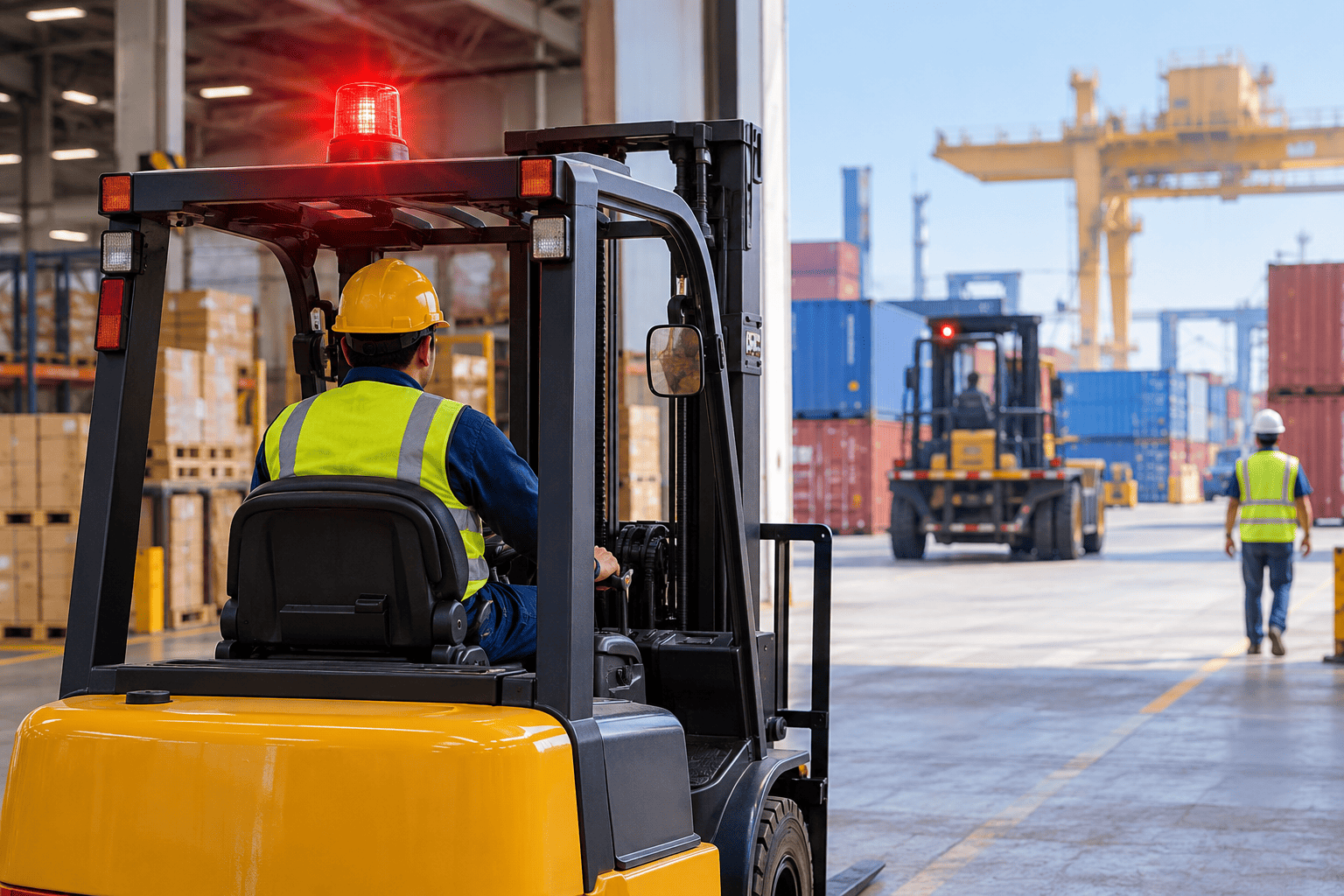
Many collisions happen because people simply do not see the truck coming. Well chosen forklift safety lights warn pedestrians early, even in noisy and busy aisles.
Blue Spot and Red Zone Lights
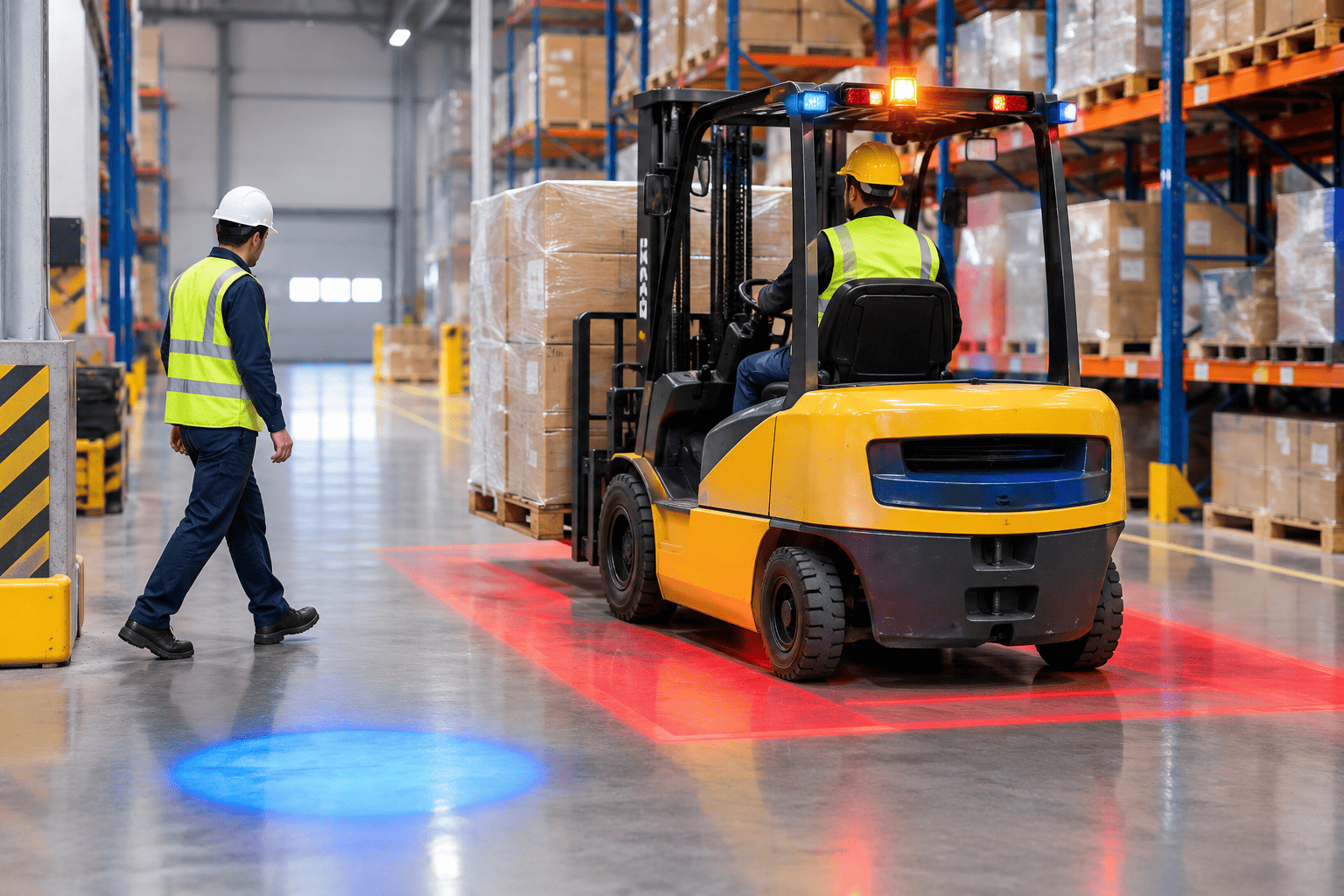
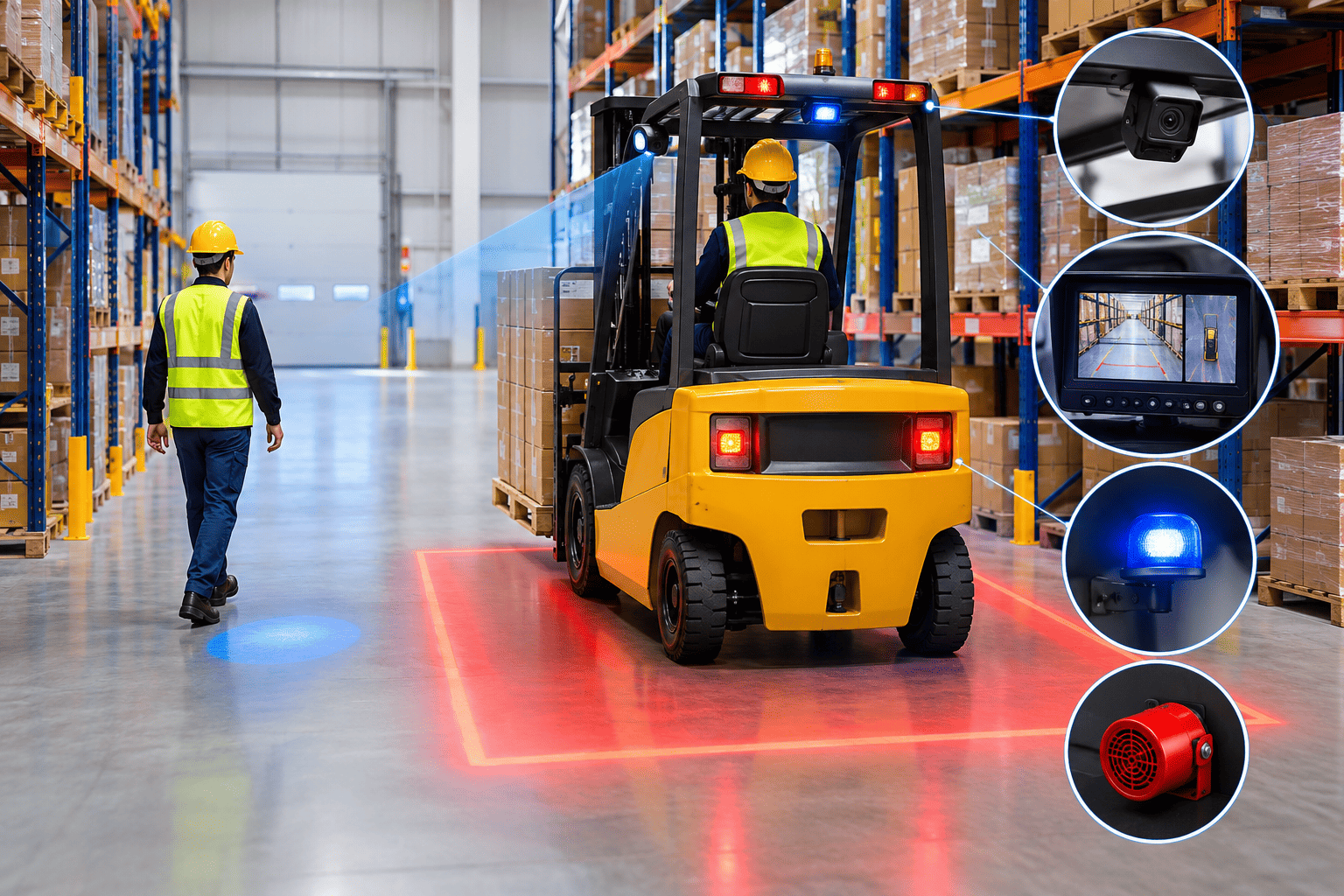
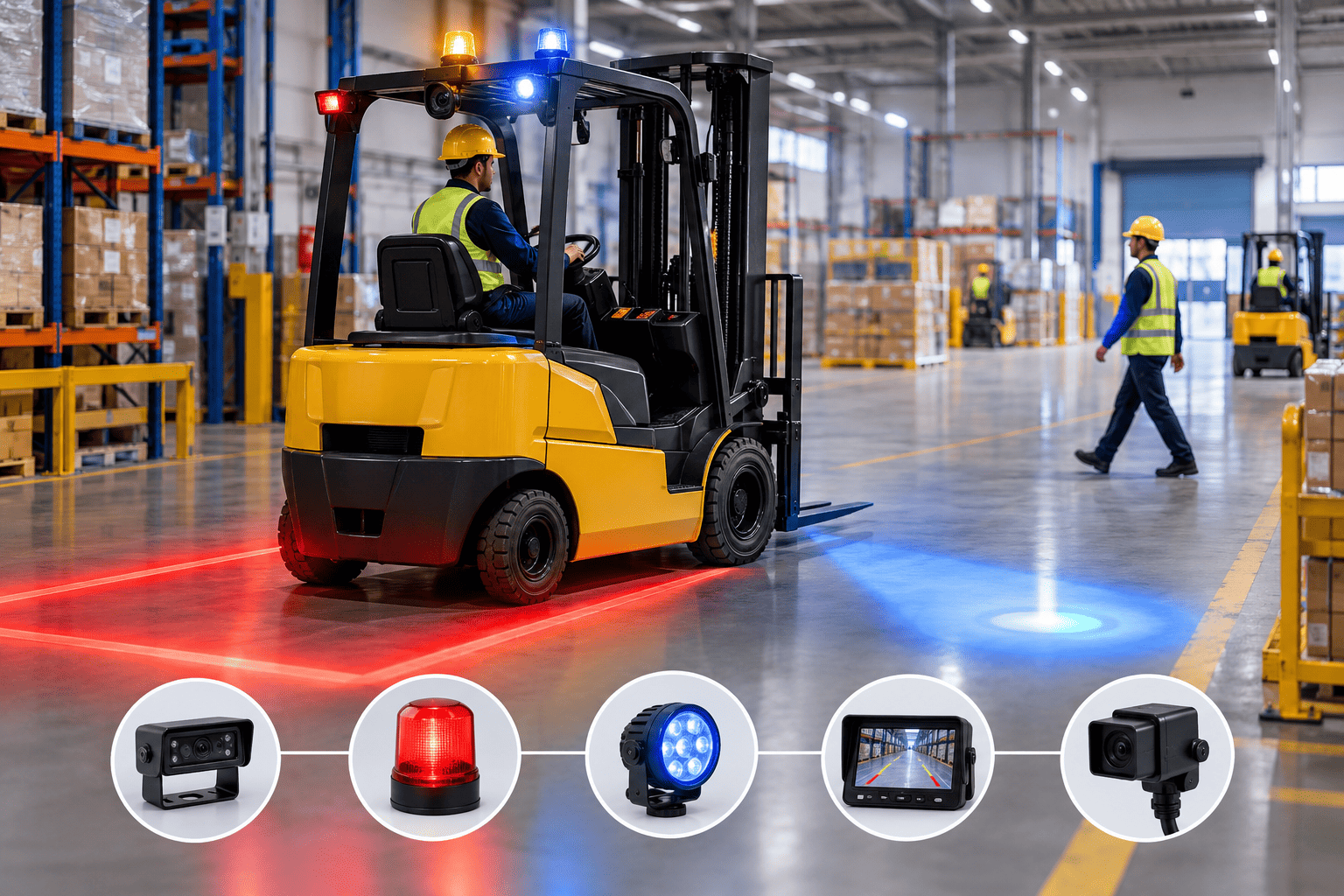
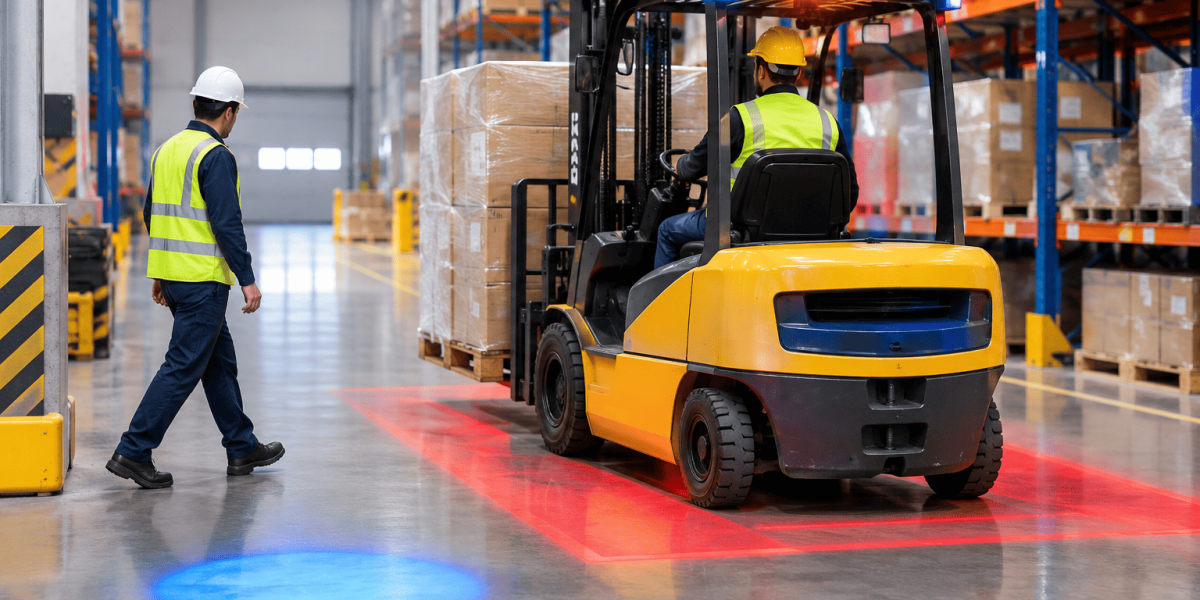
A blue spot light throws a bright beam on the floor ahead of or behind the truck, so people notice it before it turns a corner.
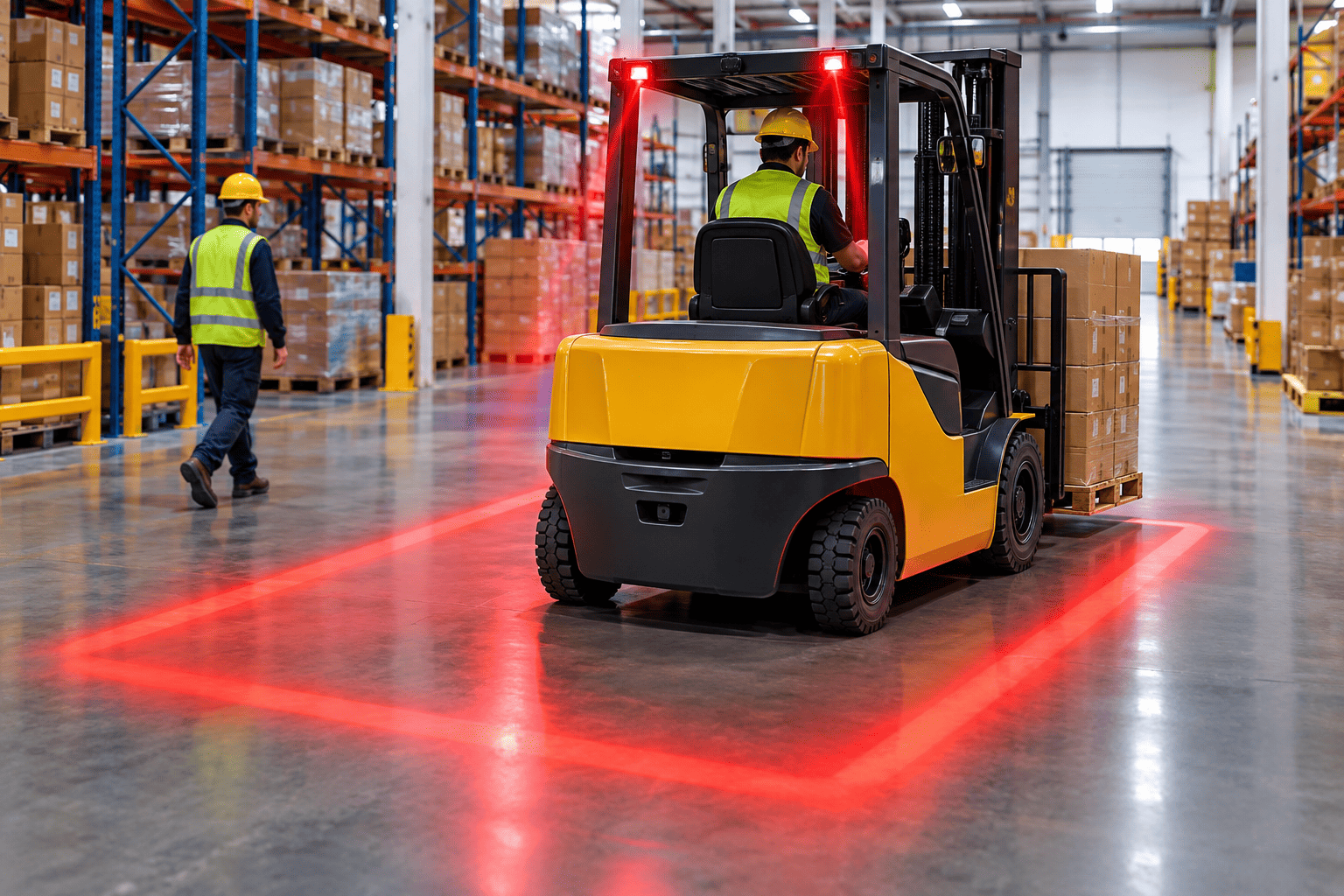
A red zone light marks a danger area around the forklift and makes it clear where nobody should stand.
Use a Forklift Safety Camera System to Remove Blind Spots
Mirrors Are Not Enough
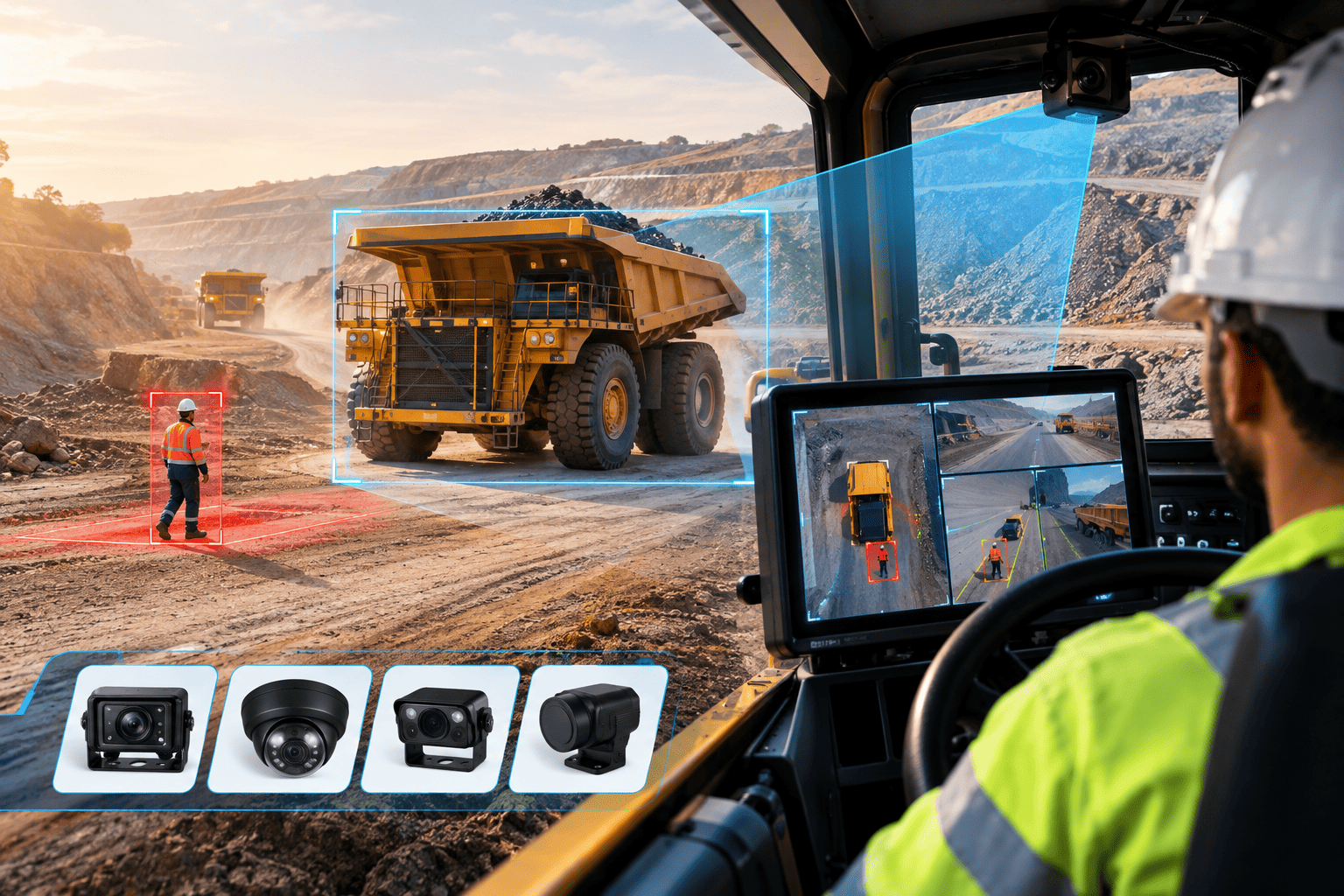
Loads, masts, and racks block the driver’s view. Mirrors help, but cameras give a much clearer picture of what is around the truck.
Fork View and Rear View Cameras
A good forklift safety camera system shows the fork tips and the area behind the truck on one screen. This makes stacking safer and reversing far less risky.
Protect Pedestrians With a Forklift Pedestrian Alert System
How the System Works
A forklift pedestrian alert system detects people near the truck and warns both the driver and the walker through sound and light. The alert arrives in time to slow or stop the vehicle.
Separate People From Trucks
Technology works best with a good layout. Mark walkways, add barriers, and set clear crossing points. These warehouse safety practices reduce contact between people and trucks.
Control Speed and Prevent Collisions
Set and Enforce Speed Limits
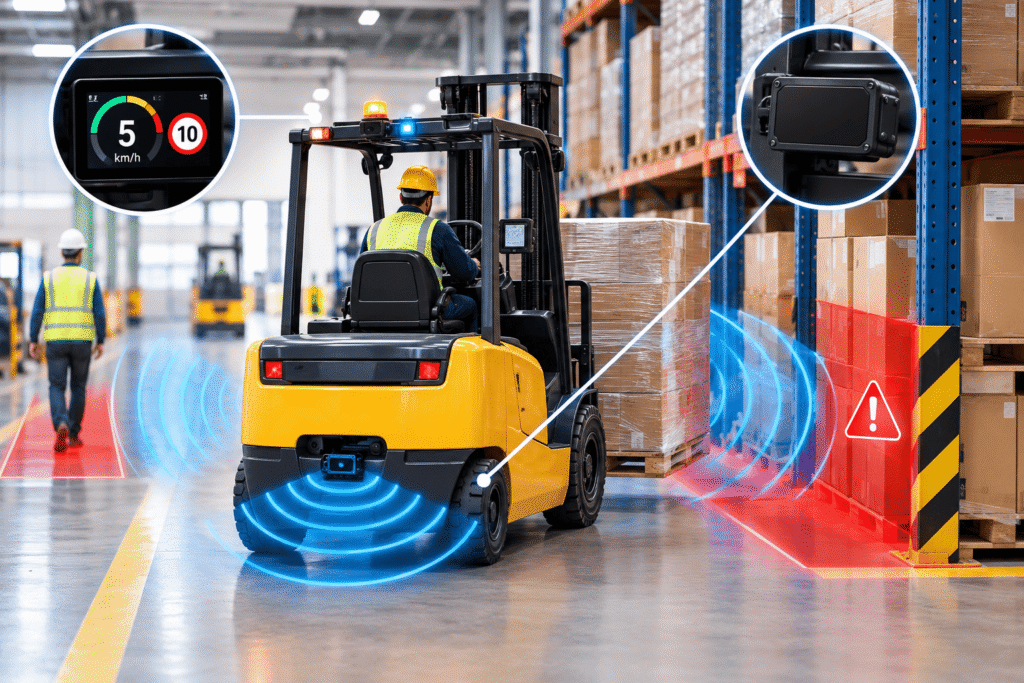
Speeding makes turns unstable and stopping distances longer. A forklift speed detection system helps you monitor speed and slow trucks down in busy zones.
Add Proximity Sensing
A radar based proximity warning system detects racks, vehicles, and people, then alerts the operator before impact.
Build a Daily Safety Routine
Inspect Before Every Shift
Operators should check these items before starting:
- Brakes, steering, and horn
- Forks, chains, and mast
- Tyres and battery
- Lights, cameras, and alarms
Keep Aisles Clear and Well Lit
Clutter, spills, and dark corners cause accidents. Give clear ownership for housekeeping and encourage teams to report hazards. Hold short safety talks at the start of each shift, and share monthly near miss numbers on the notice board so everyone can see progress. A seat belt reminder system also keeps operators buckled, which matters most during a tip over.
Conclusion: Safer Forklift Operations Start Today
Preventing forklift accidents takes trained operators, clear layouts, and smart safety equipment working together. Fix your biggest risk first, then build from there.
Myport Services India Pvt Ltd provides industrial safety and port equipment solutions, including forklift safety lights, camera systems, pedestrian alert systems, and proximity warning devices for warehouses, ports, and plants across India.
Ready to make your warehouse safer? Talk to our team and Get a Quote for the right safety setup today.
FAQs
Overturns are the leading cause of fatal forklift accidents. OSHA data shows they account for nearly a quarter of forklift related deaths. Pedestrian contact, speeding, and poor visibility are the other major causes.
Warehouses can protect pedestrians by combining marked walkways, barriers, warning lights, and a forklift pedestrian alert system. This layered approach matters because OSHA reports thousands of serious forklift injuries every year, and many involve people on foot.
Yes, forklift safety lights give pedestrians an early visual warning before the truck reaches them. Blue spot lights show the direction of travel, while red zone lights mark the danger area around the vehicle.
Yes, a camera system removes blind spots that mirrors cannot cover. Loads and masts often block the driver’s view, so cameras help prevent collisions during reversing and stacking.
Operators must be trained before they drive, and OSHA requires a performance evaluation at least once every three years. Extra refresher training is wise after any near miss or accident.
A daily inspection should cover brakes, steering, horn, forks, chains, mast, tyres, battery, lights, and cameras. OSHA requires forklifts to be examined before each shift, so any fault can be fixed before it causes harm.