
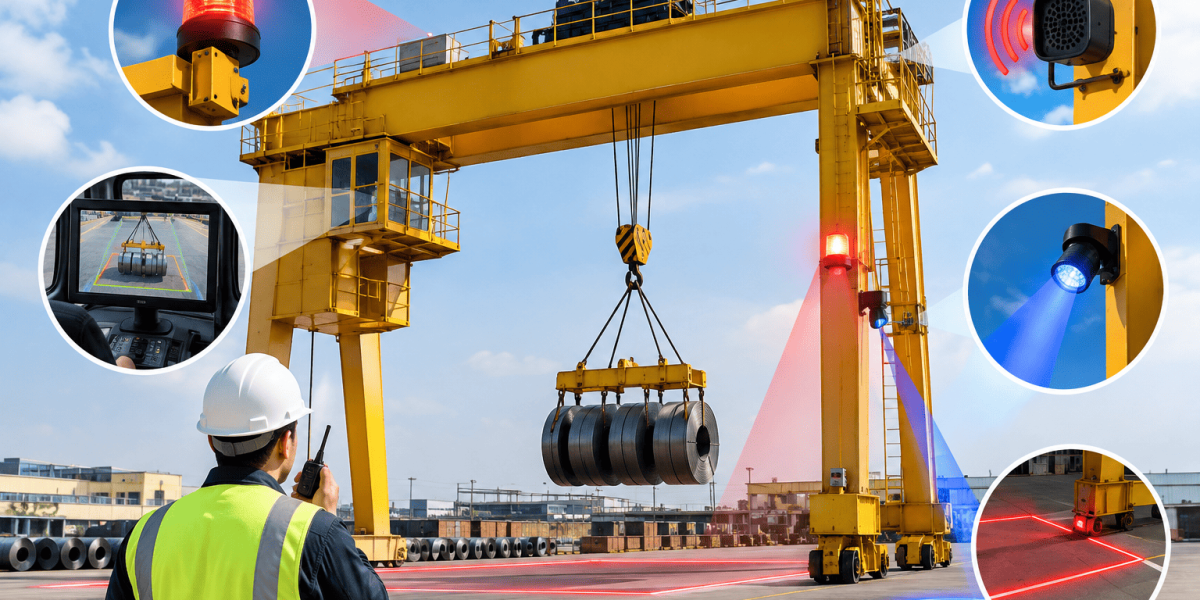
5 Signs Your Crane Warning System Needs an Upgrade
Cranes keep ports, warehouses, and factories moving. But a crane is only as safe as the warning system around it. If the alerts are weak, late, or ignored, a small mistake can become a serious accident.
At Myport Services India Pvt Ltd, we often hear one question from safety managers: how do we know when it is time to upgrade? Here are five clear signs, so you can act before an incident forces your hand.
Why Your Crane Warning System Deserves Regular Attention
A crane warning system includes lights, alarms, load indicators, and sensors that alert people nearby and guide the operator. The industries and applications we serve all share one need: clear warnings that people notice in time.
The risk is real. OSHA, using US Bureau of Labor Statistics data, reports 297 crane related deaths in the United States between 2011 and 2017, which is about 42 every year. Globally, the International Labour Organization estimates that close to 3 million people die each year from work related accidents and diseases.
Sign 1: Your Crane Warning Lights Look Dim or Faded
What to Look For
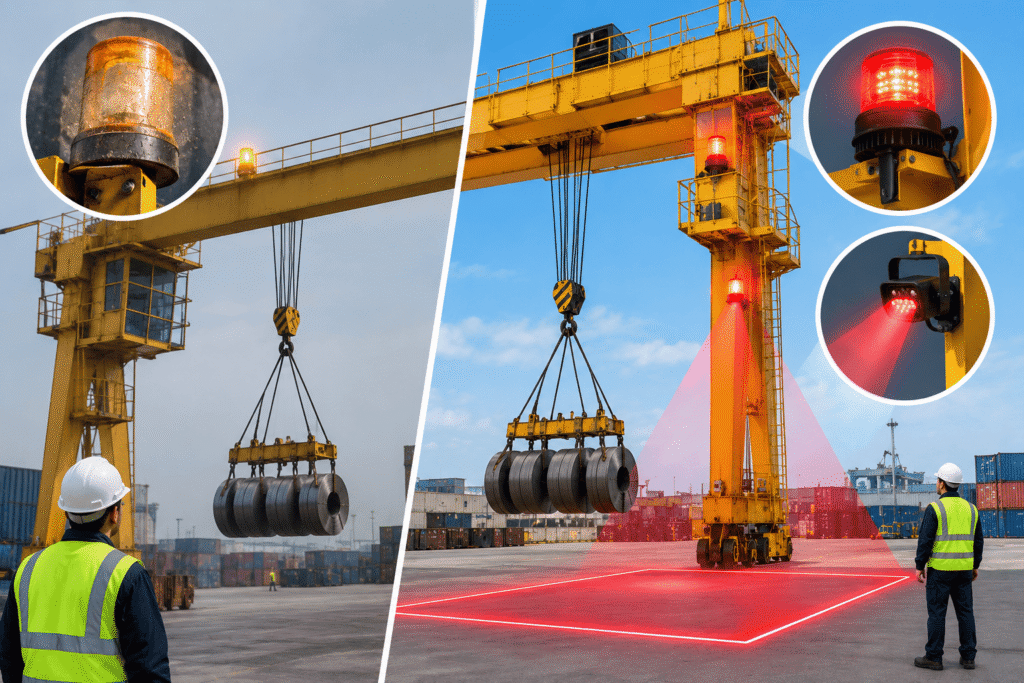
- Lights that are hard to see in bright daylight
- Cracked lenses or water inside the housing
- Flickering or colour that has faded over time
- Ground staff saying they cannot spot the beam
Why It Is a Problem
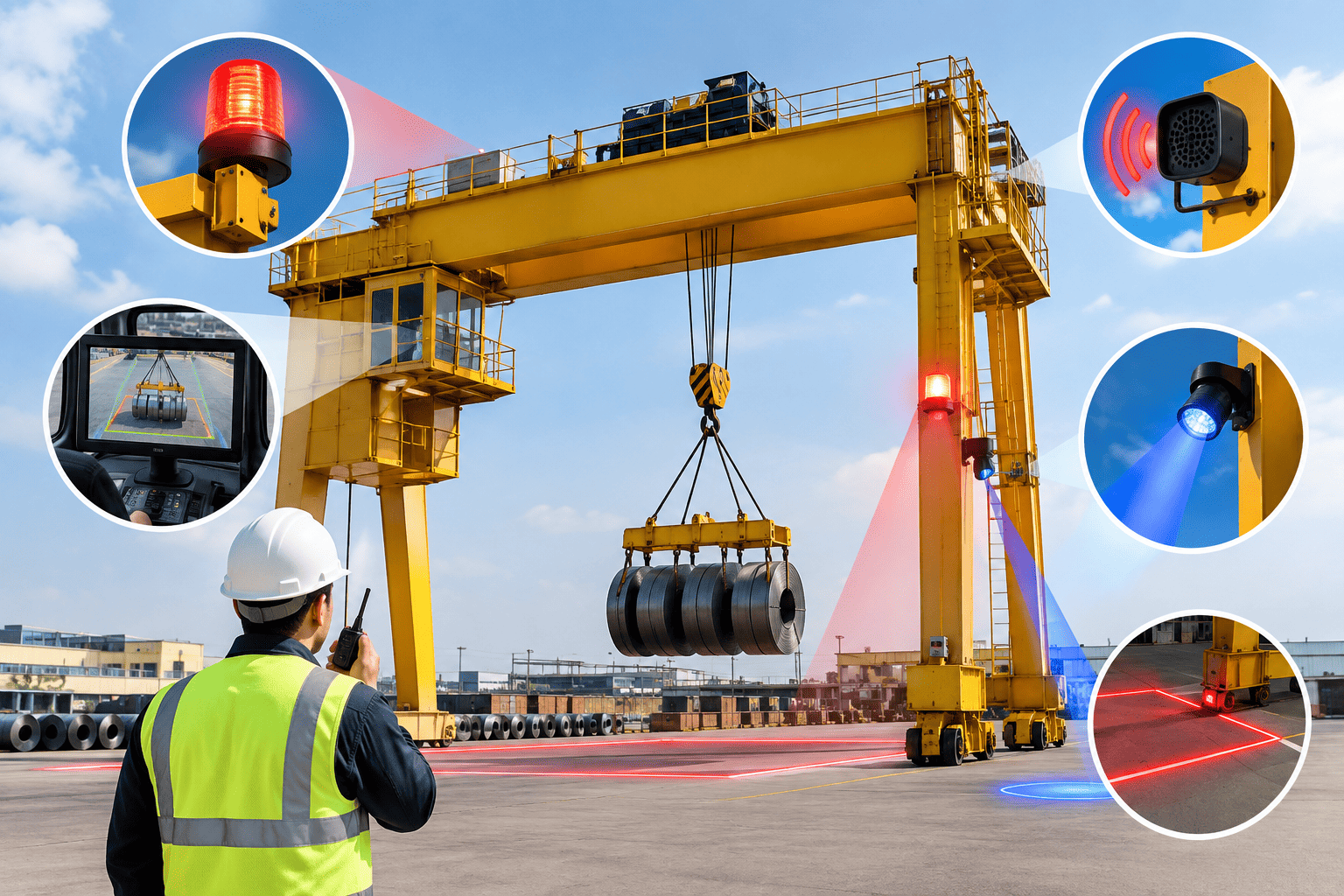
Crane warning lights only work if people notice them. Older bulbs lose brightness slowly and disappear in dust, rain, or sun. Modern high power crane warning lights use LED technology that stays bright for years.
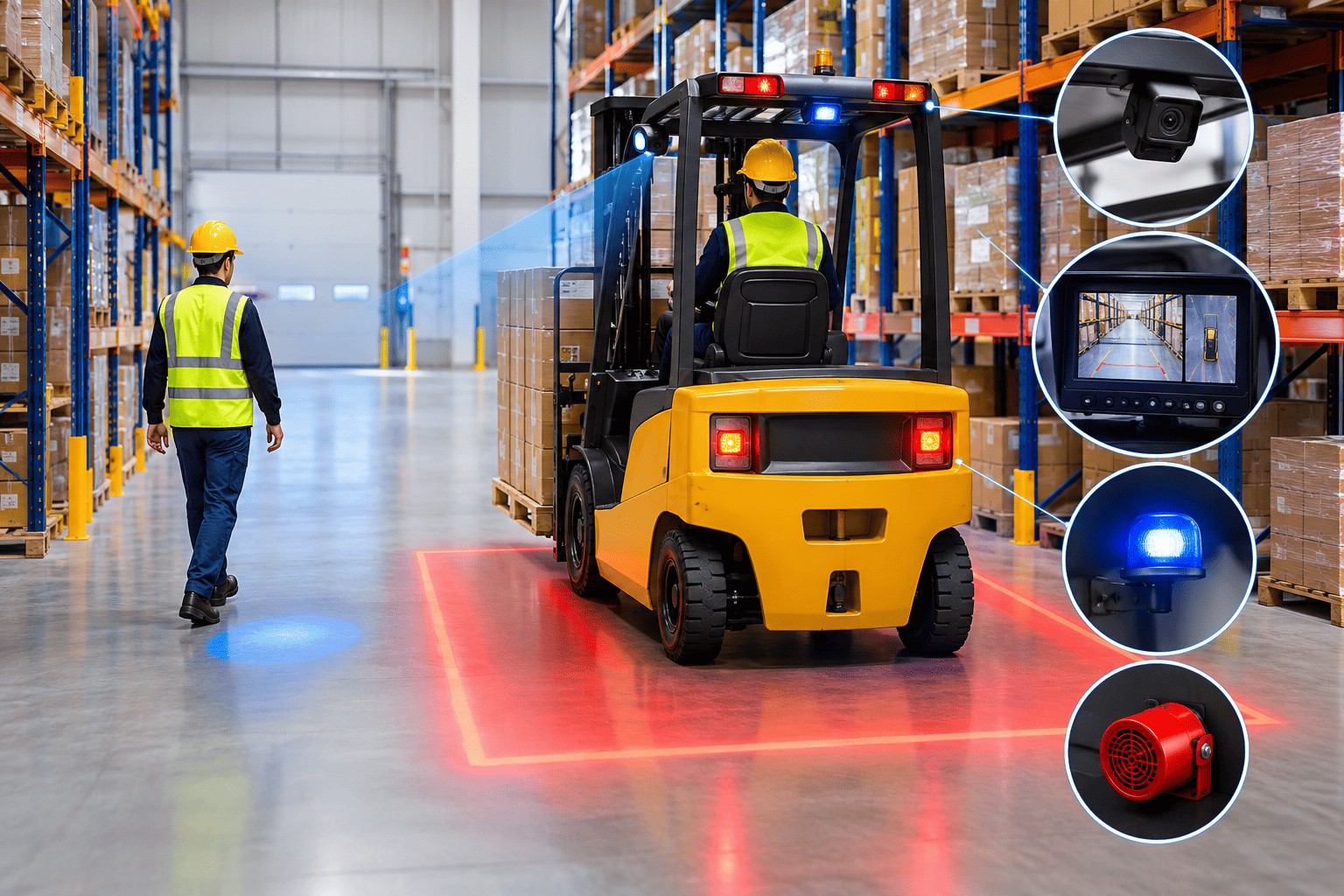
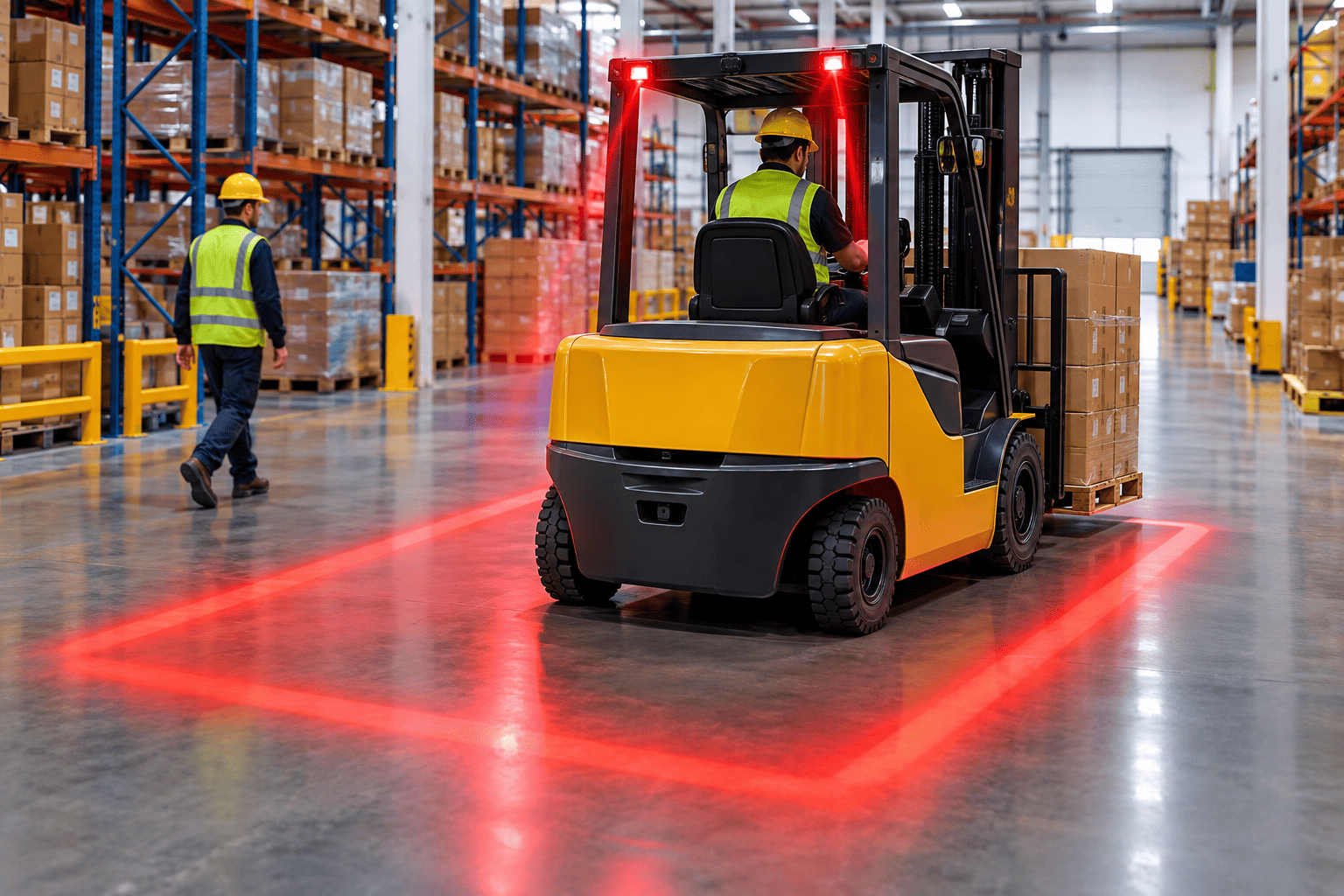
A projector light paints a visible danger zone under the load, so workers know where not to stand.
Sign 2: Too Many False Alarms or Missed Alerts
The Problem with Nuisance Alarms
If your crane warning system beeps all day for no reason, people stop listening. If it stays silent when someone steps too close, it is worse. Both point to ageing sensors or loose wiring.
What a Better System Does
A radar based proximity warning system detects people and vehicles inside set zones and alerts only when needed. That means fewer false alarms and faster reactions.
Sign 3: Workers Ignore the Warnings
Alarm fatigue is common on busy sites. Watch for these signs:
- Staff walk under suspended loads without a second thought
- Different alarm sounds mean nothing to new hires
- Near misses are reported more often than before
The fix is clearer signals. Our post on why safety warning lights are important in industrial areas shows how a consistent light and sound code helps people react fast.
Sign 4: Your Safe Load Indicator Gives Doubtful Readings
Signs of Trouble
- Readings differ from known test weights
- The display freezes or goes blank
- No alert when the load nears rated capacity
- Calibration keeps drifting
Why Accuracy Matters
A safe load indicator for crane use tells the operator how close the load is to the rated limit. Overloading can lead to structural failure or tipping. If you cannot trust the display, you are lifting blind. A modern load indication system gives accurate readings and clear alerts before the limit is crossed.
Sign 5: Repairs Are Constant and Spare Parts Are Hard to Find
Count the Real Cost
If your team keeps patching the same faults, you pay twice: once for repairs and again for lost working hours. When parts are no longer stocked, replacement is the smarter choice.
- Repeated service calls for the same fault
- Crane downtime while waiting for parts
- Audit notes about poor or missing warning devices
Keep a simple log using this projector light maintenance checklist. When repair costs start to match the price of a new unit, it is time to upgrade.
How to Plan Your Crane Warning System Upgrade
Start with a Site Audit
Walk the crane area with your safety team. Note blind spots, weak lights, and near miss history to build a clear priority list.
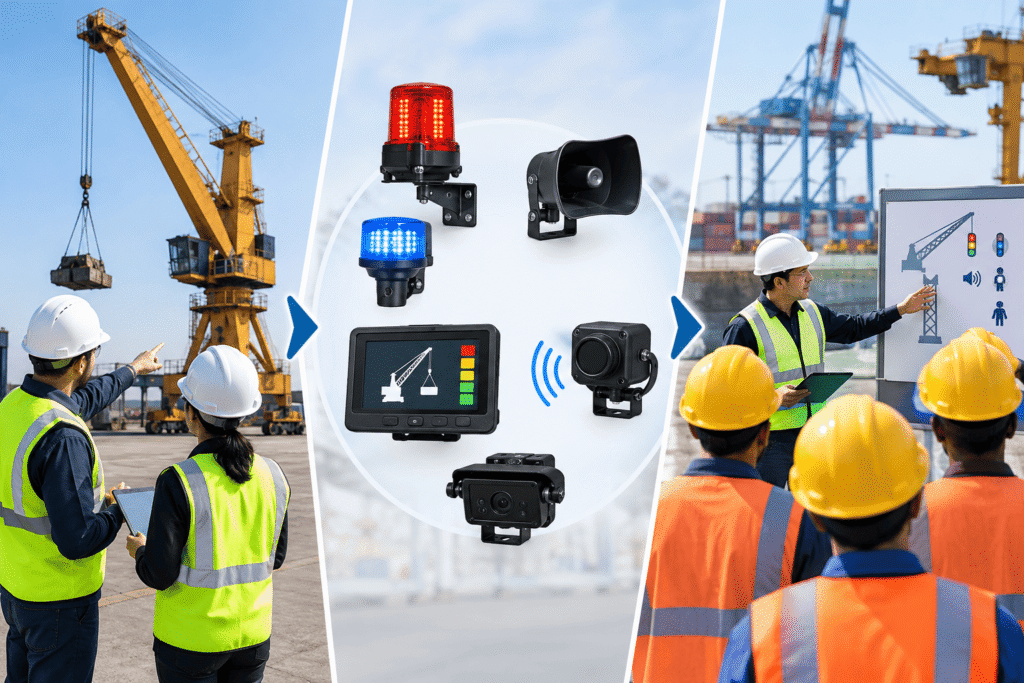
Choose the Right Mix of Devices
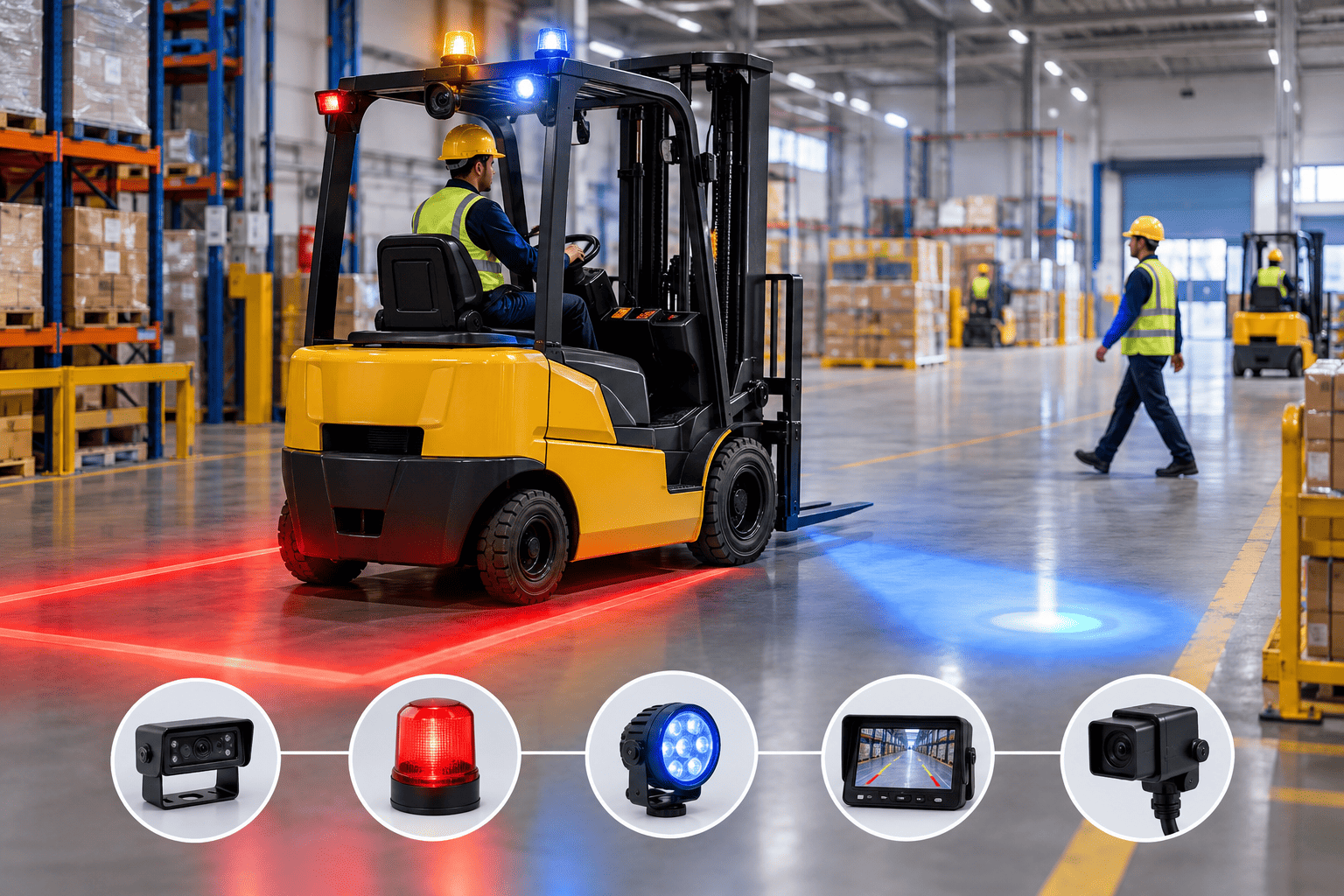
Most sites need lights, alarms, a load indicator, and proximity sensors. Our safety services include site assessment and installation support, so the upgrade fits your cranes and budget.
Train Your Team
Hold a short briefing so every operator and ground worker knows what each light and sound means.
Conclusion: Do Not Wait for an Accident to Upgrade
Dim lights, false alarms, ignored signals, doubtful load readings, and constant repairs all point the same way. A modern crane warning system costs far less than an injury or a stopped plant.
Myport Services India Pvt Ltd provides industrial safety and port equipment solutions for warehouses, ports, mining sites, and manufacturing plants across India. From crane lights to proximity sensors and cameras, we help your team work safer every day.
Ready to upgrade? Contact Us today for a free consultation, call now, or get a quote for your site.
FAQs
Operators should do a quick visual check of lights and alarms before every shift. Under Section 29 of the Factories Act, 1948, lifting machines also need a thorough examination by a competent person at least once every 12 months, so your warning devices should be inspected in that cycle too.
Yes, in most cases. Many LED units are rated for 50,000 hours or more, while old incandescent bulbs often last only 1,000 to 2,000 hours. That means fewer replacements, less downtime, and brighter light.
It measures the weight being lifted and compares it with the rated capacity of the crane. It then alerts the operator as the load gets close to the limit, which helps prevent overloading and tipping.
Yes. Lights, alarms, sensors, and load indicators can usually be retrofitted without replacing the crane. A site visit helps confirm the right devices and mounting points.
A simple lighting or alarm upgrade is often finished within a day, while a full package with sensors and a load indicator may take longer. Planning the work around shift timings keeps crane downtime low.
Start with your biggest risks, such as ground worker traffic, blind spots, or heavy lifts. Then match devices to those risks and ask for a site assessment. Choose a supplier that offers local support and spare parts.