
Self Cleaning Camera and How Does They Work
In industrial sites like ports, warehouses, mining zones, and construction areas, visibility is everything. A small blind spot can lead to major safety risks, equipment damage, and expensive downtime. Studies show that nearly 70% of industrial vehicle accidents happen because of poor visibility and blind spots around heavy equipment.
This is where a Self cleaning camera becomes an important solution.
Unlike regular cameras, self-cleaning cameras are designed to keep the lens clear even in harsh environments filled with dust, mud, oil, grease, water, and debris. At Myport Services India Pvt Ltd, we understand how critical visibility is for industrial operations, especially where machines run 24/7 and safety cannot be compromised.
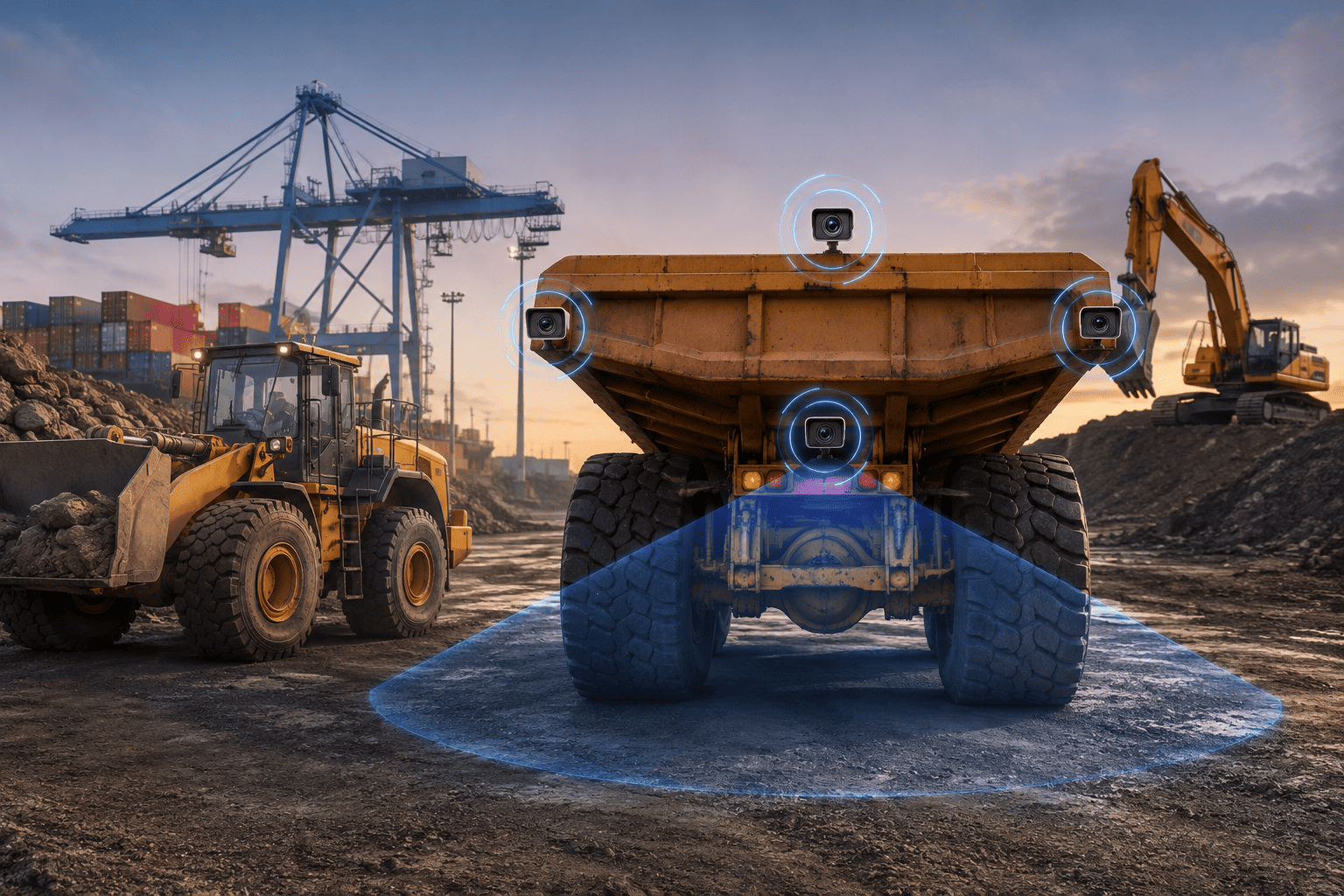
From heavy vehicles to cranes and loaders, industries are now combining self-cleaning technology with a 360 degree camera setup and even a 360 Degree Panoramic View Camera System to improve monitoring and reduce accidents.
Research shows that companies using advanced camera visibility systems can reduce collision risks by up to 40%, improve driver awareness by nearly 60%, and lower maintenance downtime by around 30%.
Let’s understand how these cameras work and why they are becoming a must-have for industrial businesses.
What is a Self Cleaning Camera?
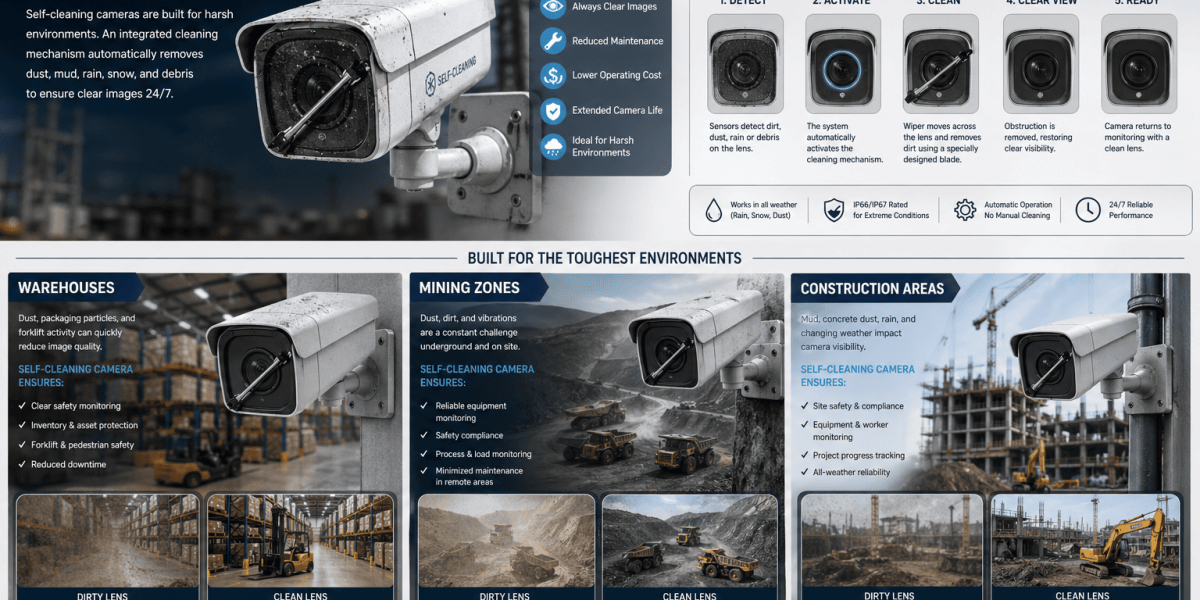
A Self cleaning camera is an industrial camera built with a special mechanism that automatically removes dirt, dust, oil, and other contaminants from the lens surface without manual cleaning.
Unlike normal CCTV or vehicle cameras that require regular wiping or maintenance, these cameras are made for rough environments where cleaning every few hours is not practical.
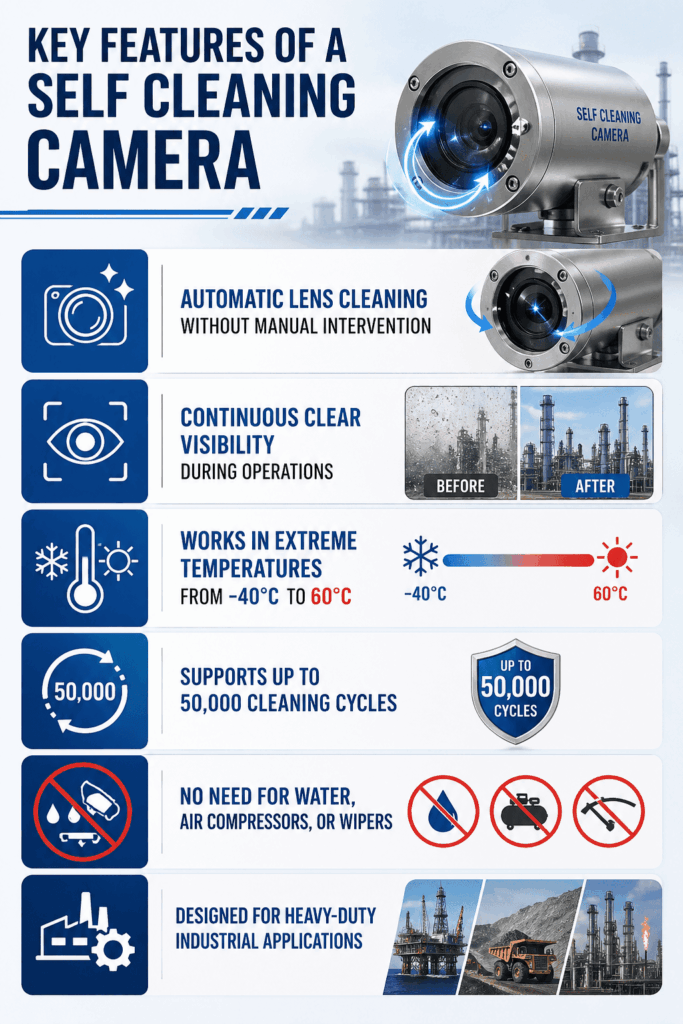
Key Features of a Self Cleaning Camera
- Automatic lens cleaning without manual intervention
- Continuous clear visibility during operations
- Works in extreme temperatures from -40°C to 60°C
- Supports up to 50,000 cleaning cycles
- No need for water, air compressors, or wipers
- Designed for heavy-duty industrial applications
For example, advanced systems like ToughEye use patented technology that removes abrasive dust, mud, oil, and bitumen without external cleaning tools.
Why Regular Cameras Fail in Industrial Areas
Standard cameras are not built for harsh industrial conditions.
Common Problems with Normal Cameras
Dust and Mud Build-Up
- Dust can reduce camera visibility by up to 80%
- Frequent cleaning is required in mining and warehouse environments
- Lens blockage creates blind spots and safety risks
Oil and Grease Exposure
- Oil mist from machines sticks to camera lenses
- Grease deposits make image quality unclear
- Manual cleaning increases labor cost
Water and Weather Damage
- Rain, fog, and humidity reduce lens clarity
- Outdoor operations face constant visibility challenges
- Moisture can damage standard camera systems
High Maintenance Cost
- Manual cleaning increases downtime by nearly 25%
- Frequent replacement raises long-term expenses
- Operators lose productivity during maintenance stops
This is why industries prefer self-cleaning systems over standard cameras.
How Does a Self Cleaning Camera Work?
The working principle is simple but highly effective.
Patented Optical Cleaning Technology
- A self-renewing optical layer protects the lens surface
- Dirt, dust, oil, and abrasive particles do not stick easily
- Visibility remains clear without physical cleaning
No External Moving Parts
- No hoses, nozzles, tanks, or wipers
- Fewer mechanical failures compared to traditional systems
- Longer equipment life with lower maintenance
Continuous Clear Vision
- Cleaning happens without stopping the camera feed
- Operators get uninterrupted real-time visibility
- Critical for cranes, loaders, and transport vehicles
Trigger-Based Cleaning Cycle
- Timer-based or electrical trigger cleaning options
- Useful for remote-controlled and autonomous machines
- Ideal for hazardous work zones where manual cleaning is risky
This technology improves both safety and operational efficiency.
Role of 360 Degree Camera Systems
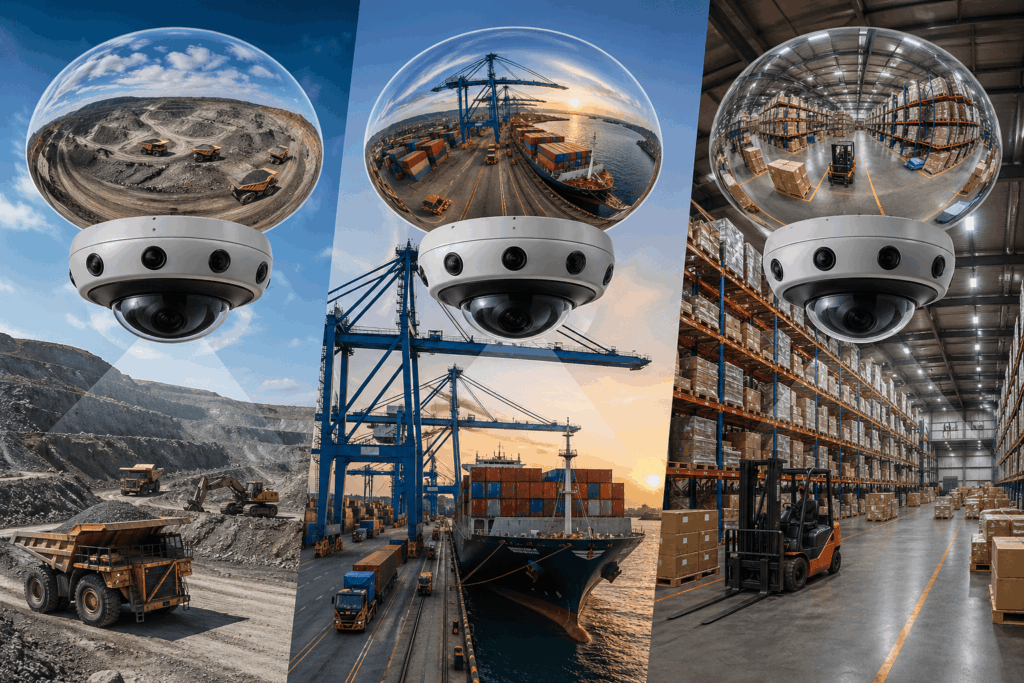
A single camera gives limited visibility. That is why industries now use a 360 degree camera setup for complete monitoring.
Better Blind Spot Elimination
- Heavy vehicles can have blind zones covering up to 60% of the surrounding area
- Multiple cameras remove hidden risk zones
- Operators get full vehicle awareness
Improved Driver Safety
- Workers, obstacles, and moving vehicles become clearly visible
- Accident risks reduce significantly
- Safer reversing and turning in tight spaces
Better Parking and Maneuvering
- Especially useful in ports and warehouses
- Helps drivers operate large machines in limited spaces
- Improves loading and unloading efficiency
Reduced Collision Risk
- Blind spot accidents can reduce by nearly 40%
- Vehicle damage costs reduce significantly
- Insurance and repair expenses become lower
A 360 Degree Panoramic View Camera System creates a full bird’s-eye view around the equipment for safer operations.
When combined with a self-cleaning camera, the system remains reliable even in dusty and muddy environments.
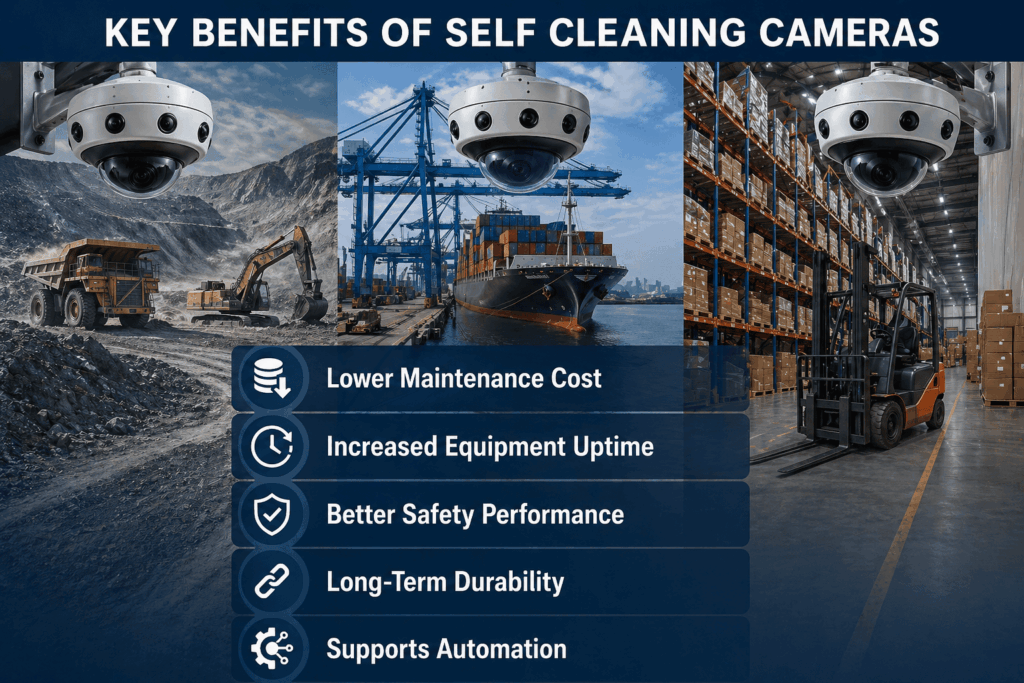
Key Benefits of Self Cleaning Cameras
Lower Maintenance Cost
- Reduces manual cleaning expenses by nearly 50%
- Less service interruption
- Lower long-term ownership cost
Increased Equipment Uptime
- Machines stay operational longer
- Downtime reduces by around 30%
- Better productivity across operations
Better Safety Performance
- Clear visibility helps prevent accidents
- Protects workers and expensive equipment
- Supports safety compliance standards
Long-Term Durability
- Resistant to vibration, impact, and extreme weather
- Suitable for 24/7 industrial operations
- Longer product life compared to standard cameras
Supports Automation
- Perfect for autonomous trucks and remote operations
- Works with AI-based monitoring systems
- Helps industries move toward smart safety solutions
This is why many industries now consider self-cleaning cameras an investment rather than an expense.
Industries That Use Self Cleaning Cameras
These cameras are widely used across many sectors.
Ports and Marine Operations
- Ship loaders
- Container cranes
- Port handling equipment
Warehouses and Logistics
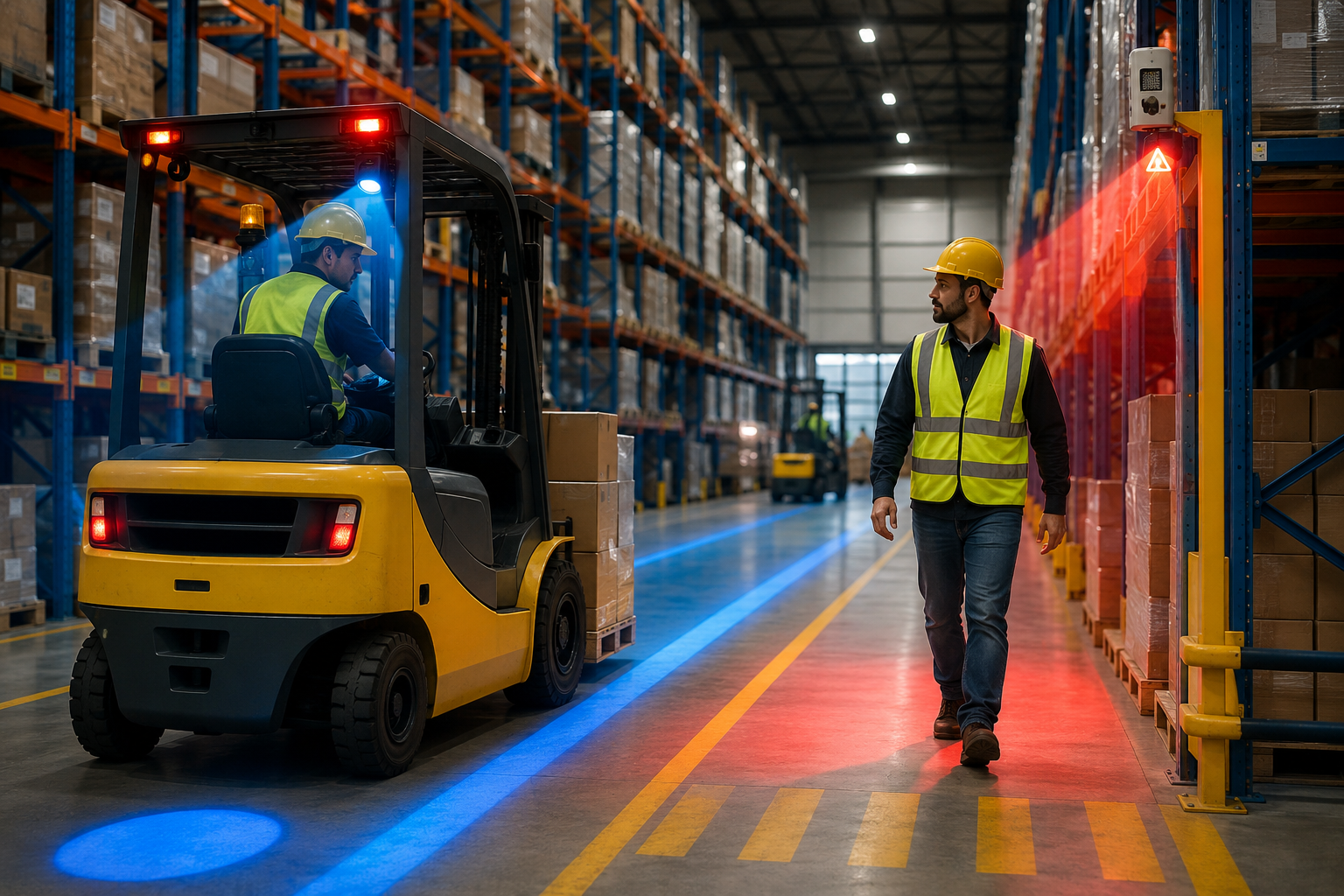
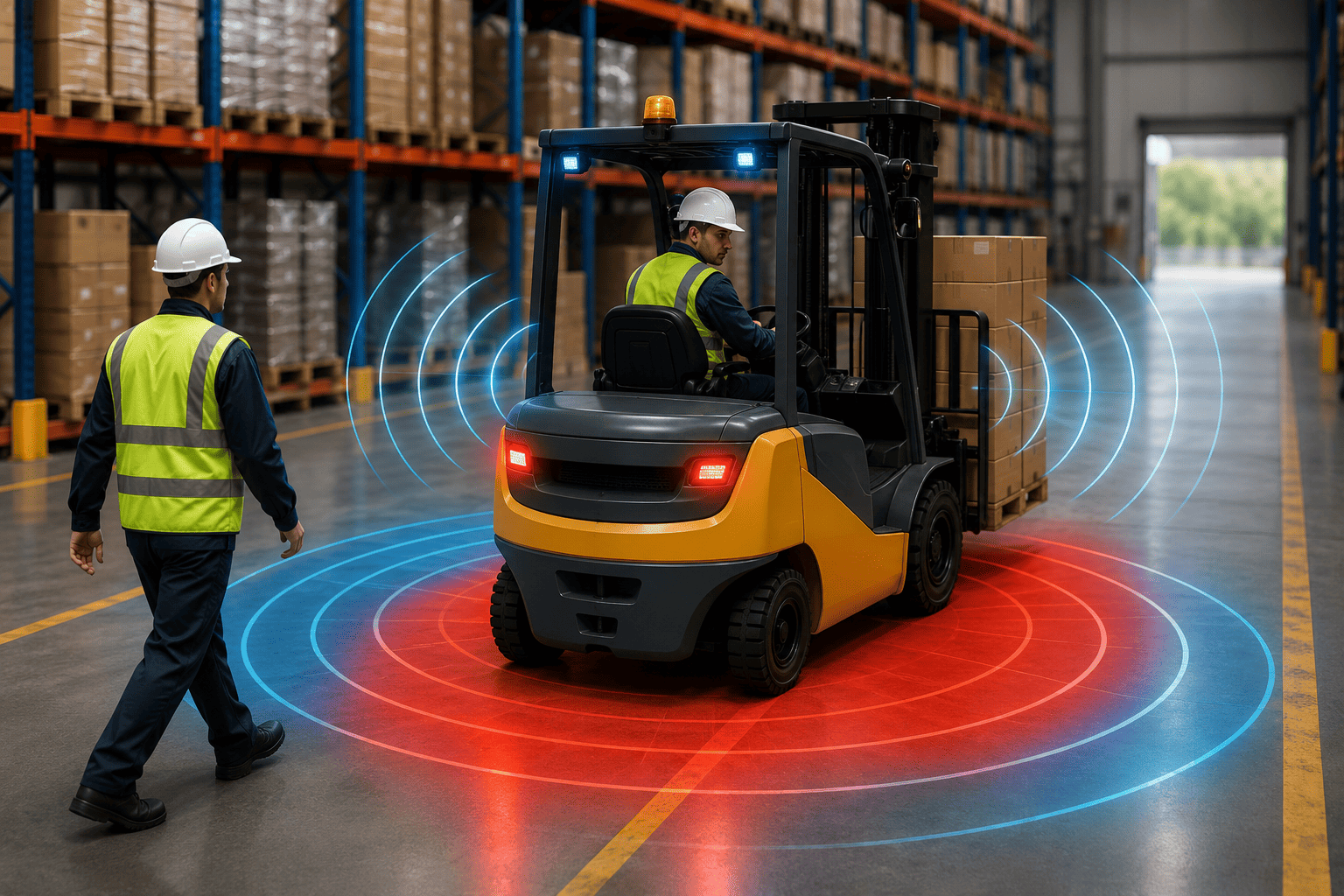
- Forklifts
- Loading docks
- AGV monitoring systems
Mining and Construction
- Dumpers
- Excavators
- Heavy-duty transport vehicles
Manufacturing Plants
- Conveyor monitoring
- Machine safety observation
- Automated production systems
Smart Vehicle Systems
- Used with 360 degree camera systems
- Advanced driver visibility solutions
- Better operational control and safety
Conclusion
A Self cleaning camera is no longer just an advanced feature—it is becoming an essential safety tool for modern industrial operations. When combined with a 360 degree camera setup or a 360 Degree Panoramic View Camera System, it helps improve visibility, reduce accidents, lower maintenance costs, and increase overall efficiency.
Studies show that businesses using advanced visibility systems can improve operational safety by over 45%, reduce equipment damage costs by nearly 35%, and increase productivity by up to 20%.
At Myport Services India Pvt Ltd, we provide reliable industrial safety and port equipment solutions designed for real working environments. From advanced camera systems to port handling solutions, we help businesses improve safety, performance, and operational control.
If you are looking for smarter visibility solutions for your business, contact Myport Services India Pvt Ltd today.
Call Now | Contact Us | Get a Quote Today
FAQs
A self cleaning camera is used to maintain clear visibility in dusty, muddy, oily, and harsh industrial environments without manual lens cleaning.
Unlike normal cameras, it automatically removes contaminants from the lens and works continuously without regular maintenance.
Yes, self-cleaning cameras are commonly integrated with a 360 Degree Panoramic View Camera System for full-area visibility and safer operations.
No. Advanced models use patented technology that works without water, compressed air, or wipers.
Ports, mining, warehouses, logistics, construction, and manufacturing industries benefit the most.