
How Do Pedestrian Warning Systems Work in Warehouses?
Warehouses today are busier than ever. Forklifts, pallet trucks, reach trucks, and other material handling equipment operate continuously to move goods quickly. While this improves productivity, it also increases the risk of collisions between vehicles and pedestrians. Many warehouse accidents happen because drivers cannot see people in blind spots or workers unknowingly enter hazardous areas.
This is where Myport Services India Pvt Ltd helps industries improve workplace safety through advanced industrial safety and port equipment solutions. One of the most effective technologies available today is the pedestrian warning system, which alerts both vehicle operators and nearby workers before a collision can happen.
According to the International Labour Organization (ILO), millions of workplace injuries occur every year worldwide, and vehicle related incidents remain one of the leading causes of serious injuries in industrial facilities. Implementing modern pedestrian detection technology significantly reduces these risks while creating a safer working environment.
What Is a Pedestrian Warning System?
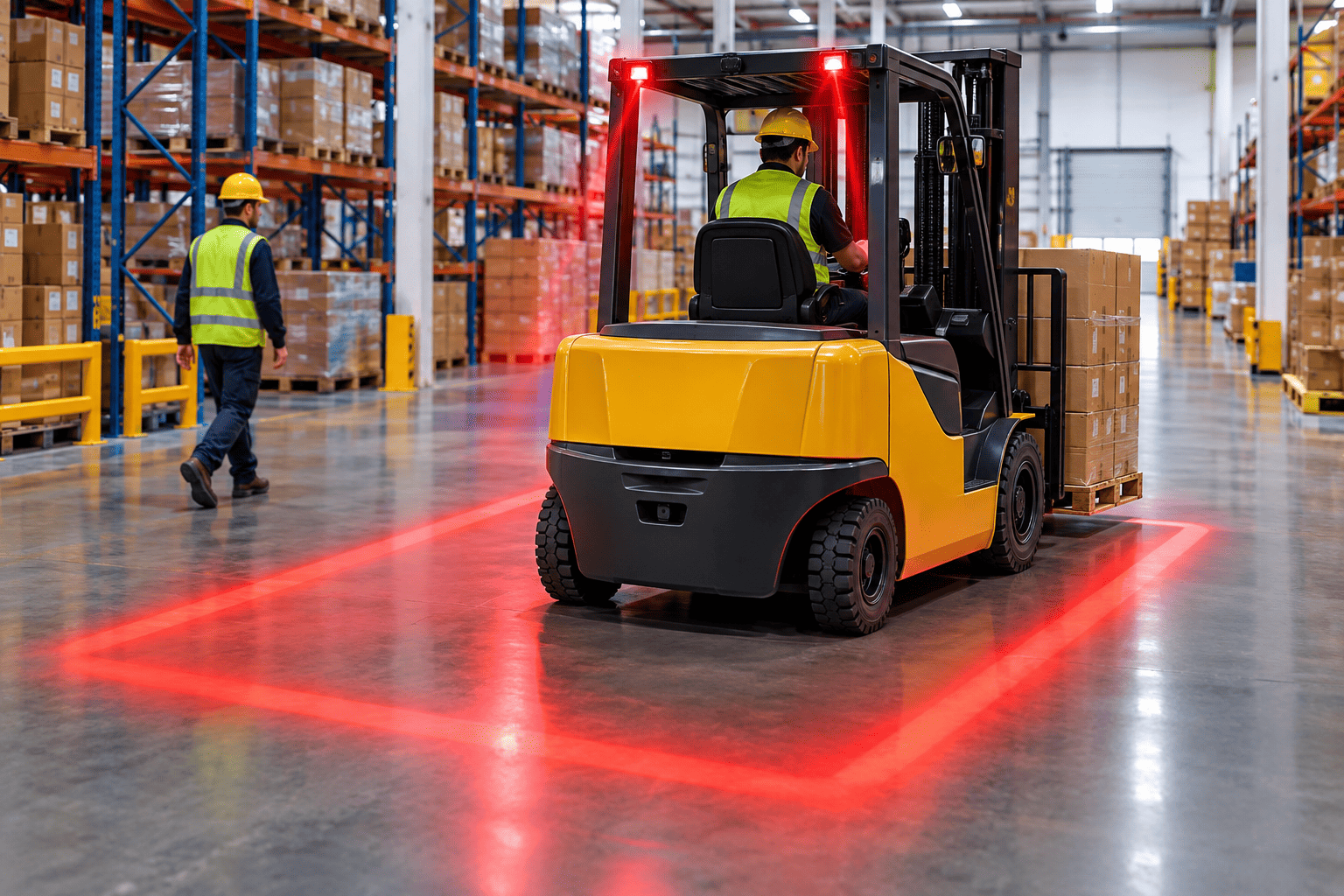
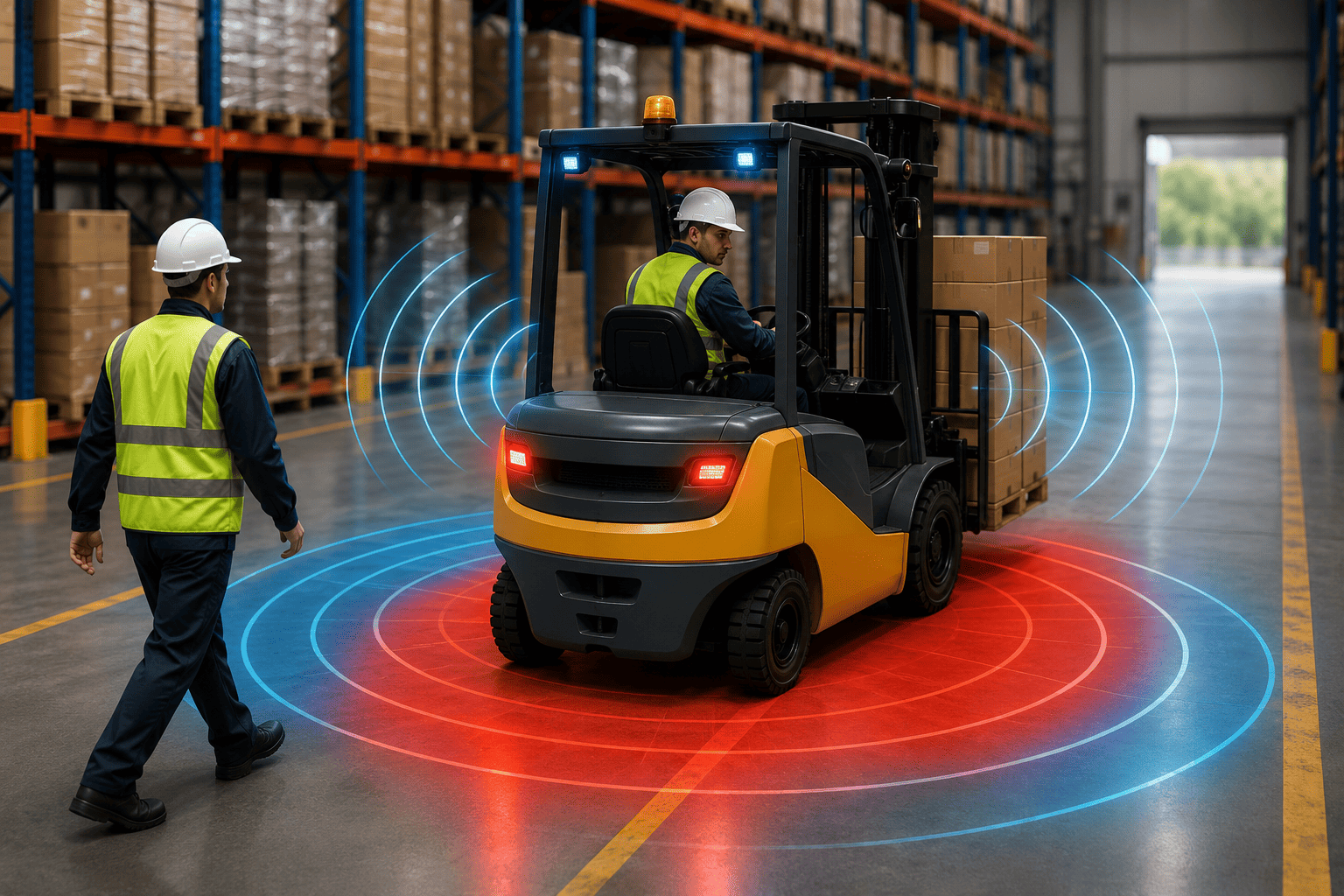
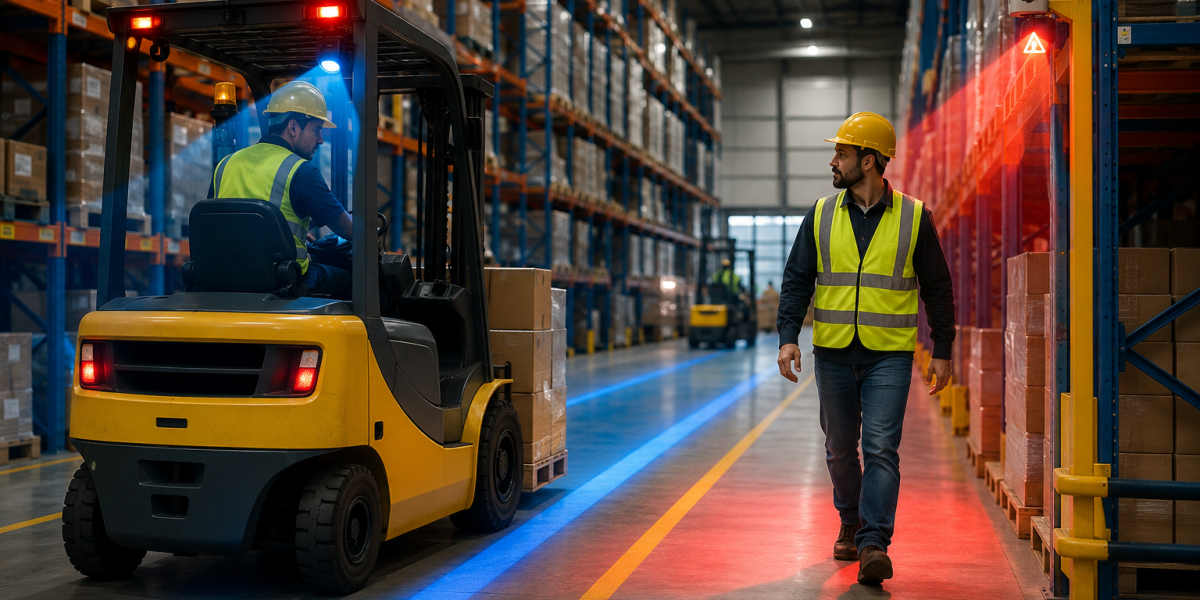
A pedestrian warning system is an intelligent industrial safety solution designed to detect people near moving vehicles such as forklifts, reach trucks, and loaders. Once a pedestrian enters a predefined danger zone, the system immediately warns both the driver and the pedestrian using visual and audible alerts.
Unlike traditional mirrors or warning signs, these systems actively monitor surrounding areas in real time.
Main Components
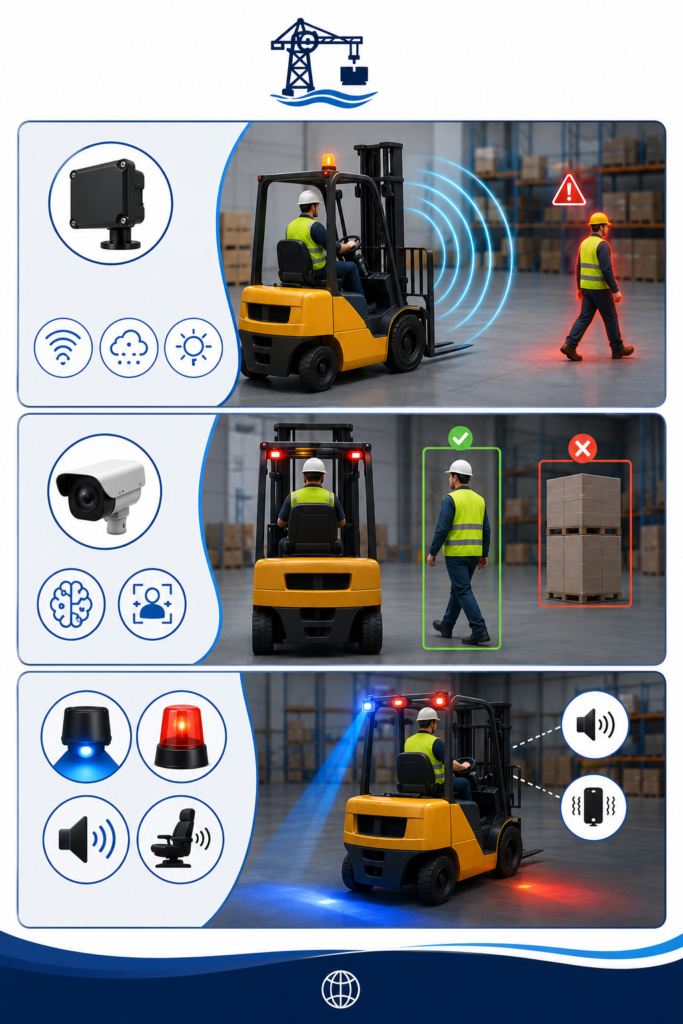
The system generally includes
- Radar or sensor based detection units
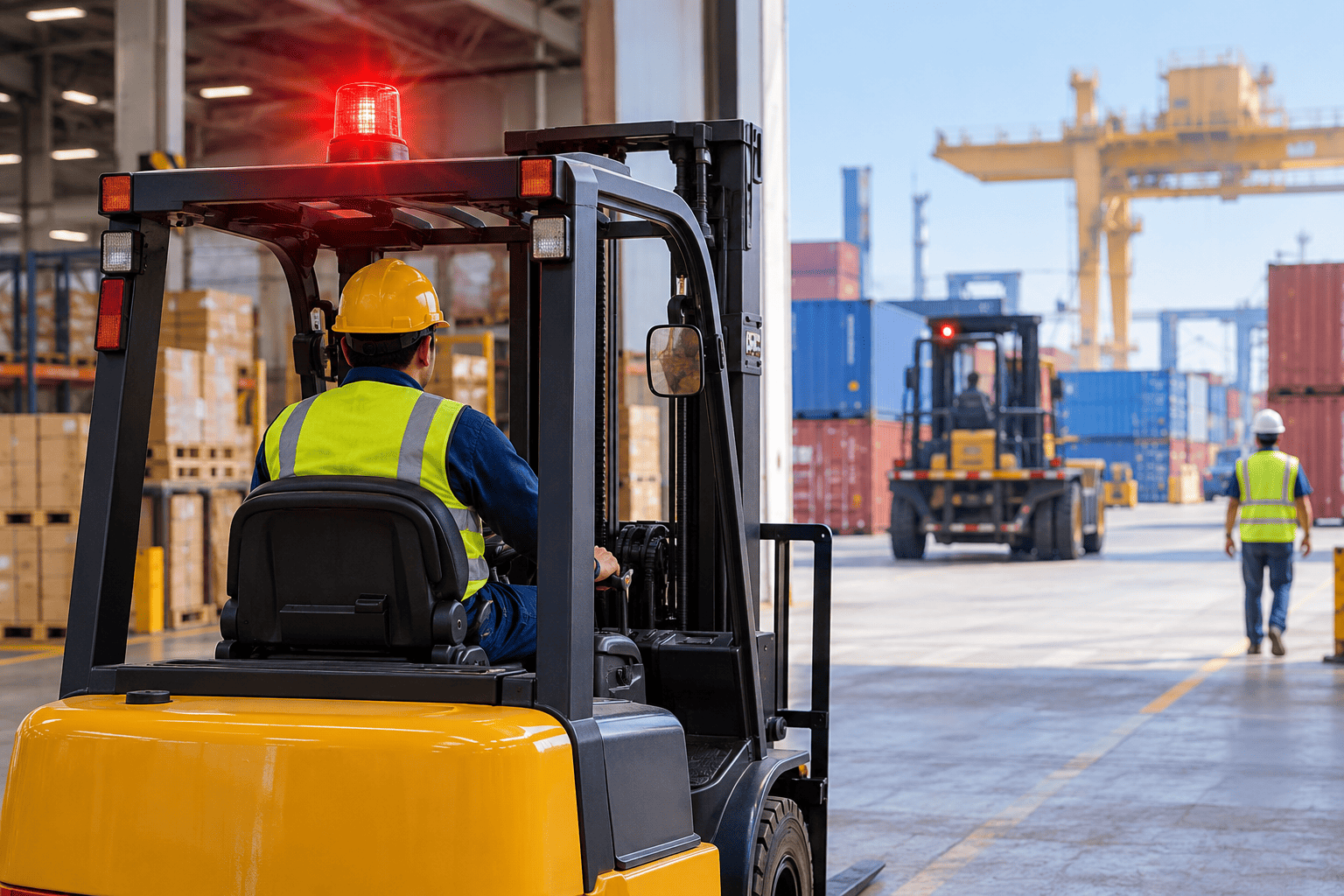
- Vehicle mounted warning devices
- Flashing LED lights
- Audible alarms
- Control module
- Optional wearable tags for pedestrians
These components work together to reduce blind spot accidents.
How Do Pedestrian Warning Systems Work?
The working principle is simple but highly effective.
Step 1 Detect Nearby Pedestrians
Sensors or radar continuously scan around the vehicle. Modern radar technology can detect pedestrians even in dust, rain, or low light conditions.
Step 2 Identify the Danger Zone
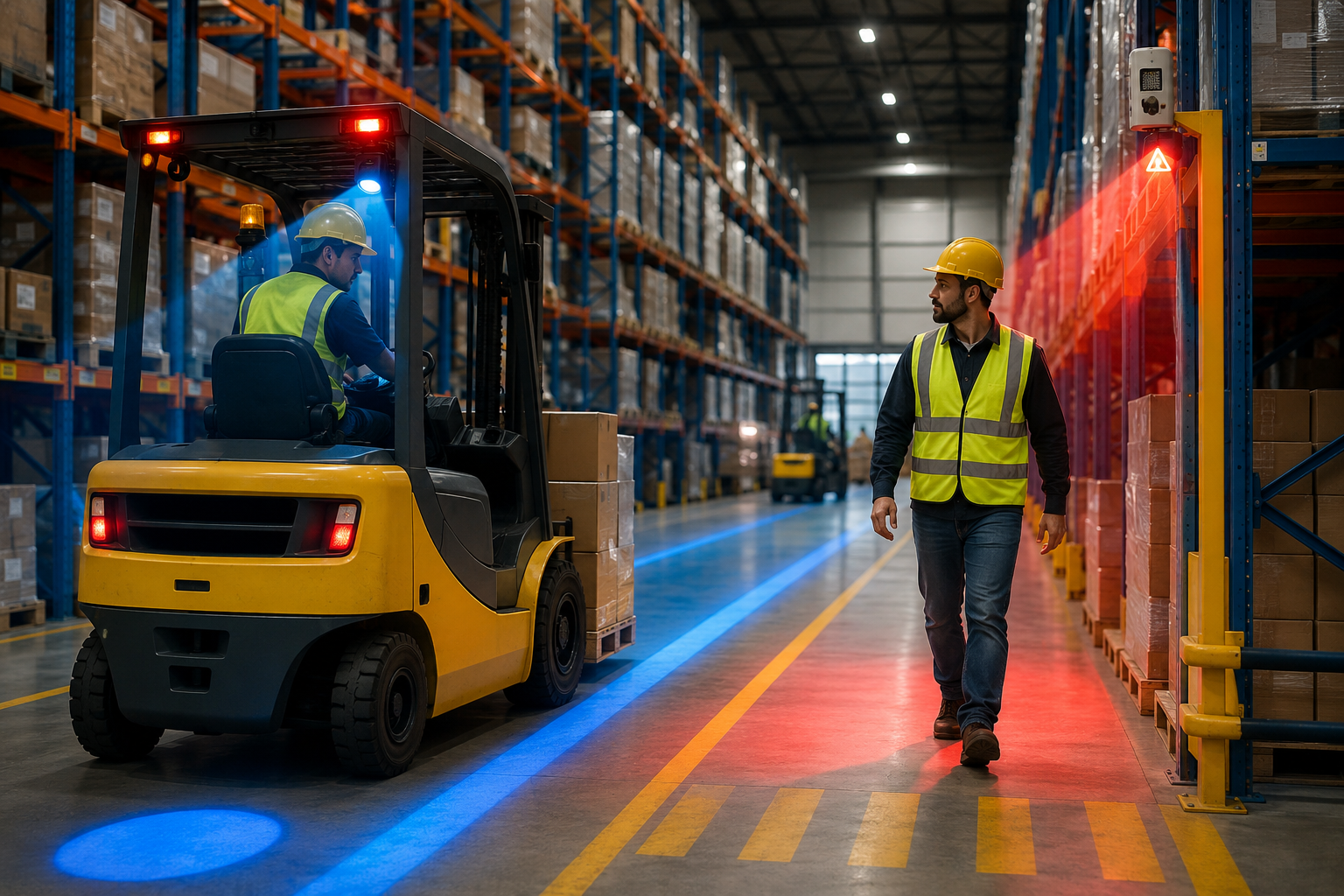
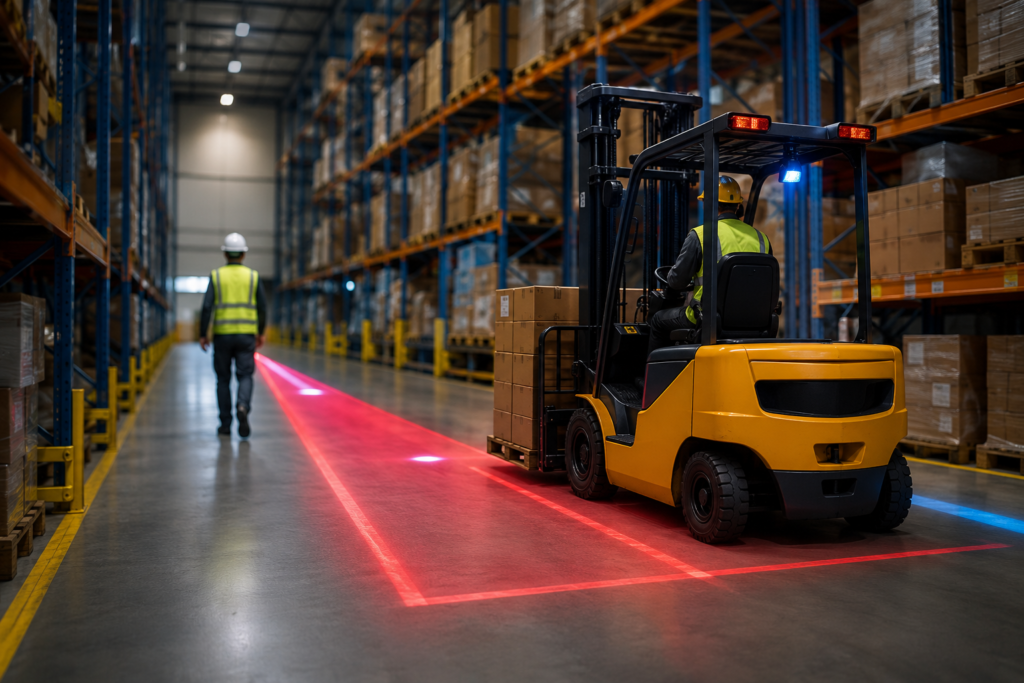
The system creates multiple safety zones around the vehicle.
These may include
- Safe monitoring zone
- Warning zone
- Critical collision zone
As a worker moves closer, the system evaluates the level of risk.
Step 3 Generate Instant Alerts
If someone enters the warning area, the system immediately activates alerts.
These alerts may include
- Flashing warning lights
- Loud audio alarms
- Dashboard notifications
- Driver display warnings
- Pedestrian wearable vibration alerts
Both the driver and pedestrian receive warnings at the same time.
Step 4 Prevent Potential Accidents
Drivers can slow down, stop the vehicle, or change direction before reaching the worker. This extra reaction time helps prevent accidents.
Why Warehouses Need Pedestrian Warning Systems
Warehouse layouts constantly change due to inventory movement, temporary storage, and high traffic.
Several situations create safety risks.
- Blind intersections
- Narrow aisles
- Loading docks
- Reversing forklifts
- High stacking areas
- Mixed pedestrian and vehicle traffic
Traditional warning methods cannot monitor these hazards continuously.
A modern Pedestrian Alert System provides active protection throughout warehouse operations.
Key Technologies Used in Modern Systems
Different technologies are available depending on operational requirements.
Radar Based Detection
Radar systems detect movement regardless of lighting conditions.
Benefits include
- Performs well in dust
- Reliable during rain
- Long detection range
- Low maintenance
RFID Based Systems
Workers wear RFID tags that communicate with vehicle mounted readers.
Advantages include
- Accurate worker identification
- Custom safety zones
- Fast alerts
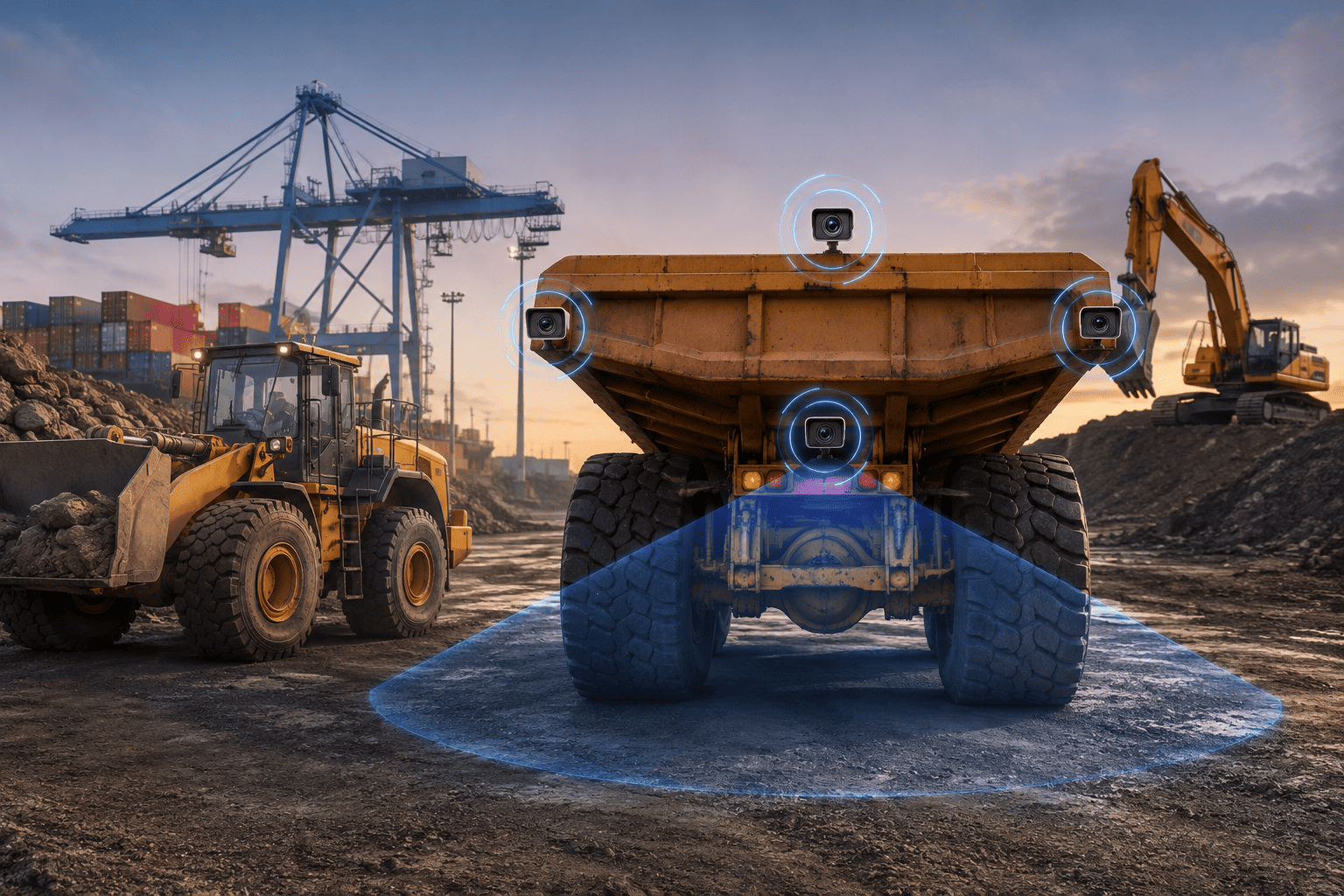
Camera Based Detection
AI powered cameras identify people around industrial vehicles.
These systems can
- Detect multiple pedestrians
- Monitor blind spots
- Record safety events
- Support incident investigations
Hybrid Safety Systems
Many warehouses now combine radar, cameras, and wearable technology for maximum safety.
Benefits of Installing Pedestrian Warning Systems
Installing a pedestrian warning system offers both safety and business advantages.
Improves Worker Safety
Workers receive immediate warnings before entering dangerous areas.
Reduces Forklift Collisions
Early detection significantly lowers the chances of vehicle to pedestrian accidents.
Supports Safety Compliance
Many industries follow strict workplace safety standards that encourage risk reduction technologies.
Increases Driver Awareness
Drivers become more aware of hidden blind spots around the vehicle.
Reduces Downtime
Fewer accidents mean fewer operational interruptions and lower repair costs.
Builds Employee Confidence
Employees feel safer working in busy warehouse environments.
According to OSHA, forklifts are involved in approximately 85000 workplace injuries and nearly 100 fatalities every year in the United States, highlighting the importance of effective collision prevention measures.
Where Are Pedestrian Warning Systems Commonly Used?
These systems are widely installed across different industries.
Common applications include
- Warehouses
- Logistics hubs
- Manufacturing plants
- Ports
- Distribution centres
- Cold storage facilities
- Mining operations
- Container yards
Any location where pedestrians and industrial vehicles share the same workspace can benefit.
Best Practices for Better Warehouse Safety
Technology works best when combined with proper safety procedures.
Warehouse managers should
- Separate pedestrian walkways wherever possible.
- Maintain clear floor markings.
- Train forklift operators regularly.
- Test warning systems periodically.
- Conduct routine safety audits.
- Review near miss incidents.
- Keep warehouse lighting adequate.
- Encourage workers to report hazards immediately.
Combining operational discipline with advanced warning technology creates multiple layers of protection.
How to Choose the Right Pedestrian Warning System
Before selecting a solution, evaluate your facility carefully.
Consider factors such as
- Warehouse size
- Number of forklifts
- Traffic density
- Blind spot locations
- Indoor or outdoor operations
- Environmental conditions
- Integration with existing safety equipment
- Maintenance requirements
Choosing the right technology ensures better long term performance and higher return on investment.
Conclusion
Warehouse safety depends on both people and technology. As vehicle traffic increases, relying only on mirrors, signs, and operator experience is no longer enough. Pedestrian warning systems provide real time detection, instant alerts, and valuable reaction time that helps prevent accidents before they happen. Investing in these systems not only protects employees but also improves operational efficiency, reduces downtime, and strengthens workplace safety culture.
The company provides advanced industrial safety and port equipment solutions, including pedestrian warning systems, forklift safety technologies, collision prevention systems, and other smart safety products for warehouses, logistics centres, ports, and industrial facilities.
Ready to improve warehouse safety? Contact Myport Services India Pvt Ltd today to discuss your requirements, request expert guidance, or get a quote for the right pedestrian warning solution for your facility.
FAQs
A pedestrian warning system detects workers near moving industrial vehicles and provides instant visual and audio alerts to reduce collision risks.
Yes. Radar based systems perform reliably even in dust, fog, rain, and low visibility conditions.
No. They are designed to support trained operators by providing additional awareness and early warnings.
They can be installed on forklifts, reach trucks, loaders, cranes, port vehicles, and many other industrial machines.
Yes. They are widely used in ports, warehouses, logistics centres, manufacturing plants, and distribution facilities.
Routine inspections should be carried out according to manufacturer recommendations and as part of regular warehouse safety audits.